Revolutionizing Textile Machinery: The Future of End Silvering
Release time:
Jun 29,2024
**Introduction**
In the world of textile manufacturing, innovation is key to staying competitive in an ever-evolving industry. One area that has seen significant advancements in recent years is end silvering, a crucial step in the production process that involves applying a thin layer of silver to the ends of yarn to improve conductivity and strength. In this article, we will explore how the future of end silvering is being revolutionized by new technologies and techniques.
**The Importance of End Silvering in Textile Machinery**
End silvering plays a vital role in ensuring the quality and performance of textile products. By enhancing the conductivity of yarn, end silvering helps to improve the efficiency of weaving and knitting processes, resulting in higher productivity and lower production costs. Additionally, the silver coating adds strength and durability to the yarn, making it more resistant to wear and tear.
**Advancements in End Silvering Technology**
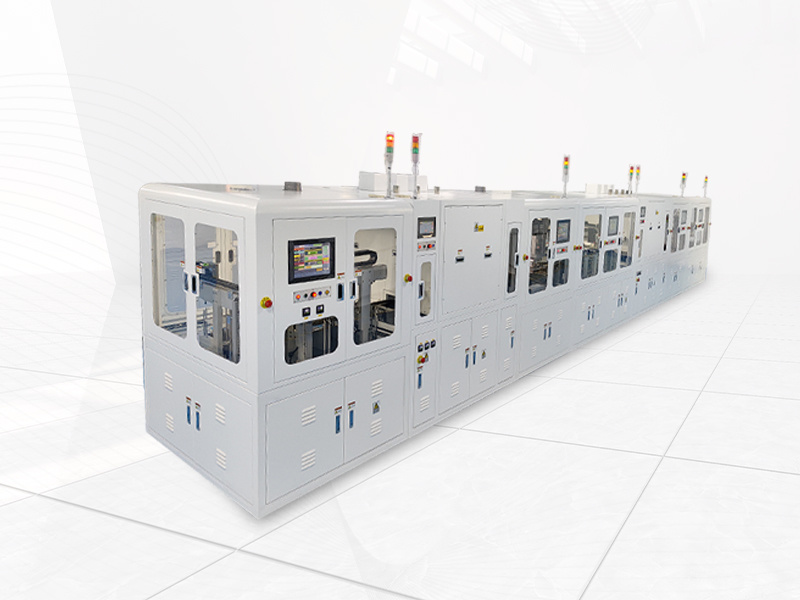
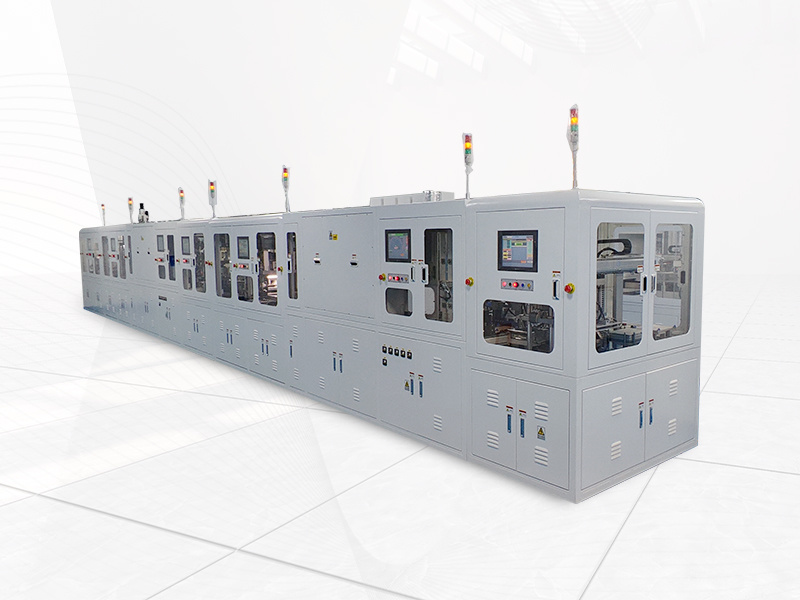
Recent years have seen significant advancements in end silvering technology, with the development of innovative techniques and equipment that offer improved precision, efficiency, and control. One such innovation is the use of laser technology to apply the silver coating to the ends of yarn with unparalleled accuracy and consistency. This results in a higher quality finish and a more uniform distribution of silver across the yarn.
**The Benefits of Revolutionizing End Silvering**
The revolutionization of end silvering in textile machinery brings a host of benefits to manufacturers and consumers alike. Increased efficiency and productivity lead to lower production costs and faster turnaround times, while improved quality and durability mean that textile products are more reliable and long-lasting. Furthermore, the use of advanced technologies in end silvering can help reduce the environmental impact of textile manufacturing by minimizing waste and energy consumption.
**FAQs**
1. What is end silvering in textile machinery?
End silvering is the process of applying a thin layer of silver to the ends of yarn to improve conductivity and strength.
2. How does end silvering benefit textile manufacturers?
End silvering enhances the efficiency, quality, and durability of textile products, leading to lower production costs and improved performance.
3. What are some advancements in end silvering technology?
Recent advancements include the use of laser technology for precise and uniform silver coating application.
4. How does revolutionizing end silvering impact the environment?
By reducing waste and energy consumption, advanced end silvering technologies can help minimize the environmental impact of textile manufacturing.
5. What are the advantages of using advanced end silvering techniques?
Advanced end silvering techniques offer increased efficiency, productivity, and quality in textile production processes.
**Conclusion**
The future of end silvering in textile machinery is bright, thanks to the ongoing revolution in technology and innovation. Manufacturers can look forward to increased efficiency, improved quality, and reduced environmental impact as they embrace the latest advancements in end silvering techniques. By staying ahead of the curve and adopting cutting-edge technologies, textile companies can position themselves for success in a fast-paced and competitive industry.
In the world of textile manufacturing, innovation is key to staying competitive in an ever-evolving industry. One area that has seen significant advancements in recent years is end silvering, a crucial step in the production process that involves applying a thin layer of silver to the ends of yarn to improve conductivity and strength. In this article, we will explore how the future of end silvering is being revolutionized by new technologies and techniques.
**The Importance of End Silvering in Textile Machinery**
End silvering plays a vital role in ensuring the quality and performance of textile products. By enhancing the conductivity of yarn, end silvering helps to improve the efficiency of weaving and knitting processes, resulting in higher productivity and lower production costs. Additionally, the silver coating adds strength and durability to the yarn, making it more resistant to wear and tear.
**Advancements in End Silvering Technology**
Recent years have seen significant advancements in end silvering technology, with the development of innovative techniques and equipment that offer improved precision, efficiency, and control. One such innovation is the use of laser technology to apply the silver coating to the ends of yarn with unparalleled accuracy and consistency. This results in a higher quality finish and a more uniform distribution of silver across the yarn.
**The Benefits of Revolutionizing End Silvering**
The revolutionization of end silvering in textile machinery brings a host of benefits to manufacturers and consumers alike. Increased efficiency and productivity lead to lower production costs and faster turnaround times, while improved quality and durability mean that textile products are more reliable and long-lasting. Furthermore, the use of advanced technologies in end silvering can help reduce the environmental impact of textile manufacturing by minimizing waste and energy consumption.
**FAQs**
1. What is end silvering in textile machinery?
End silvering is the process of applying a thin layer of silver to the ends of yarn to improve conductivity and strength.
2. How does end silvering benefit textile manufacturers?
End silvering enhances the efficiency, quality, and durability of textile products, leading to lower production costs and improved performance.
3. What are some advancements in end silvering technology?
Recent advancements include the use of laser technology for precise and uniform silver coating application.
4. How does revolutionizing end silvering impact the environment?
By reducing waste and energy consumption, advanced end silvering technologies can help minimize the environmental impact of textile manufacturing.
5. What are the advantages of using advanced end silvering techniques?
Advanced end silvering techniques offer increased efficiency, productivity, and quality in textile production processes.
**Conclusion**
The future of end silvering in textile machinery is bright, thanks to the ongoing revolution in technology and innovation. Manufacturers can look forward to increased efficiency, improved quality, and reduced environmental impact as they embrace the latest advancements in end silvering techniques. By staying ahead of the curve and adopting cutting-edge technologies, textile companies can position themselves for success in a fast-paced and competitive industry.

Copyright ©2024 Guangdong Lixing Intelligent Equipment Co., Ltd.
| Business license | SEO