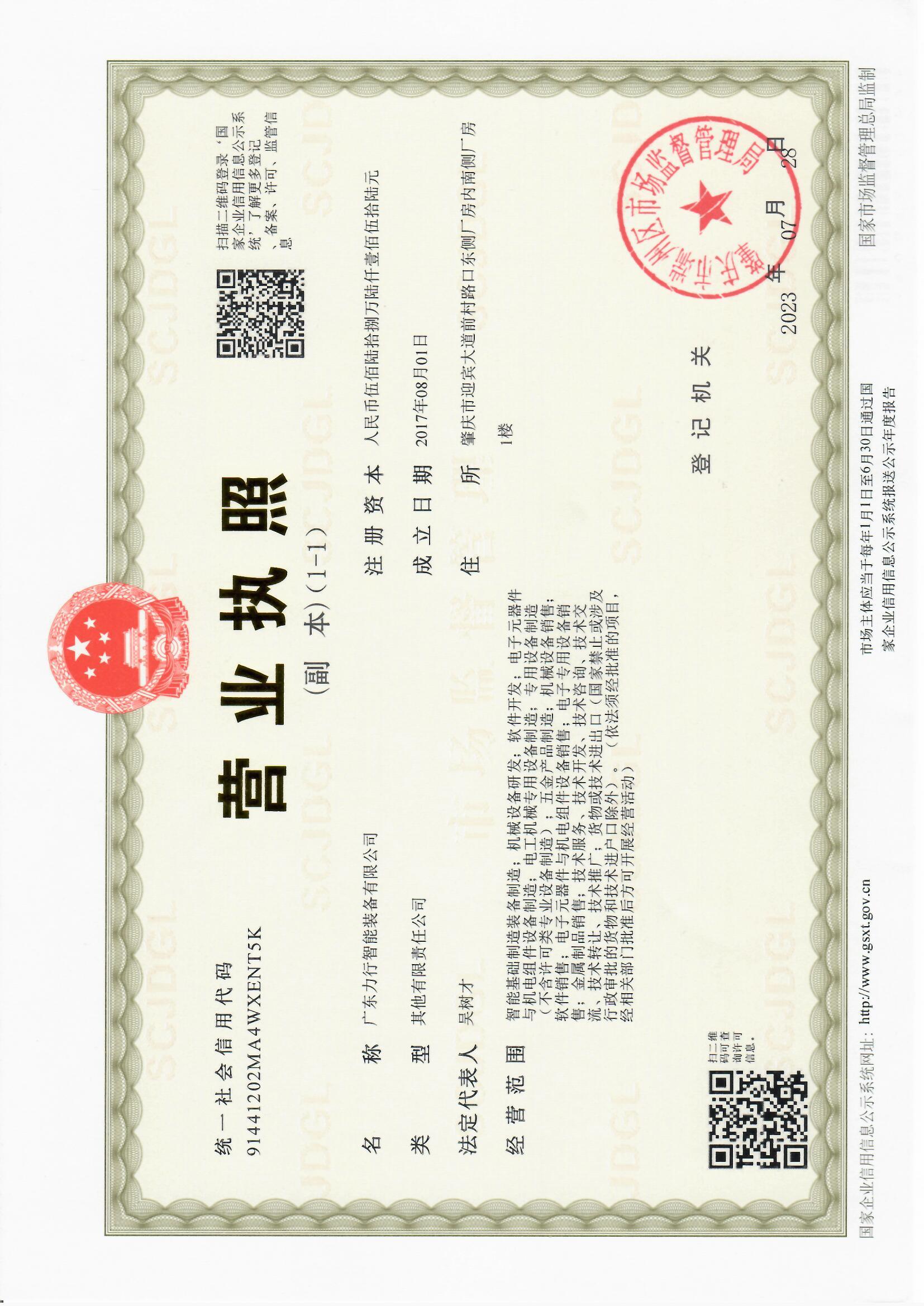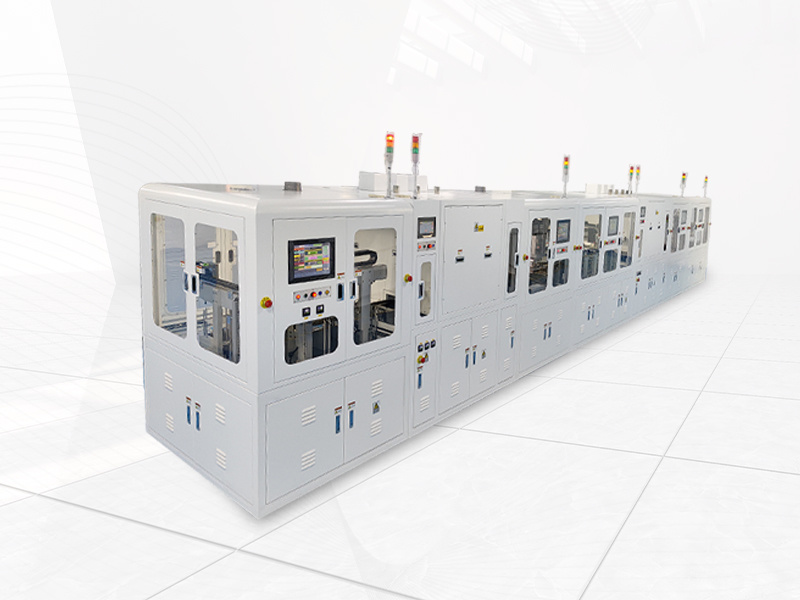
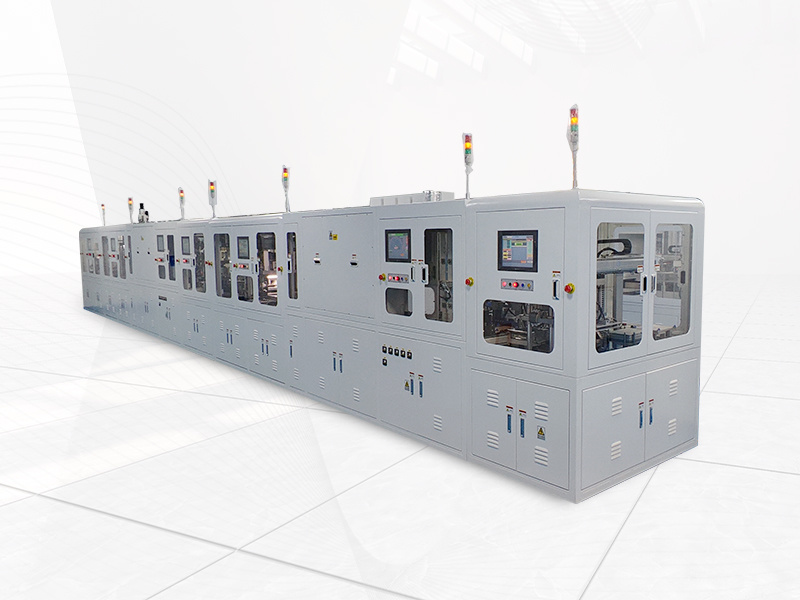
Efficiently Coat Complex Silicone Parts with Advanced Automated Systems
Release time:
Jul 09,2024
Manufacturing machinery is constantly evolving to meet the demands of the modern industry. In particular, the production of complex silicone parts requires precision and efficiency to ensure top-quality results. Traditional methods of coating silicone parts can be time-consuming and prone to errors, leading to increased production costs and decreased productivity.
Fortunately, advancements in automation technology have revolutionized the manufacturing process, making it easier than ever to efficiently coat complex silicone parts with advanced automated systems. These systems offer a range of benefits, including improved accuracy, reduced waste, and increased throughput. In this article, we will explore how these advanced automated systems work and how they can benefit your manufacturing operation.
## Understanding the Challenges of Coating Complex Silicone Parts
### **Challenges in Traditional Coating Methods**
Coating complex silicone parts manually can be a tedious and error-prone process. Workers must carefully apply the coating material to ensure even coverage, which can be challenging on intricate, detailed parts. Additionally, inconsistencies in coating thickness can lead to product defects and rework, further adding to production costs and delays.
### **The Need for Precision and Efficiency**
In the manufacturing industry, precision and efficiency are key to maintaining a competitive edge. Coating complex silicone parts with consistent, high-quality results is essential for meeting customer expectations and ensuring product reliability. Advanced automated systems offer a solution to these challenges by providing precise, repeatable coating processes that can be easily customized to meet specific requirements.
## How Advanced Automated Systems Work
### **Automated Dispensing Systems**
Automated dispensing systems are designed to accurately apply coating materials to silicone parts with minimal intervention from operators. These systems use robotic arms equipped with precision dispensing nozzles to apply the coating material in a controlled manner, ensuring uniform coverage and minimal waste. By automating the dispensing process, manufacturers can achieve higher throughput and reduce production costs.
### **Integrated Inspection Systems**
Advanced automated systems often include integrated inspection systems that monitor the coating process in real-time. These systems use sensors and cameras to detect defects, inconsistencies, or other issues that may affect the quality of the coating. By identifying and addressing these issues early on, manufacturers can prevent costly rework and ensure that each part meets quality standards.
## Benefits of Using Advanced Automated Systems
### **Improved Accuracy and Consistency**
One of the primary benefits of using advanced automated systems for coating complex silicone parts is improved accuracy and consistency. These systems can precisely control the application of the coating material, ensuring uniform coverage and thickness across all parts. By reducing variability in the coating process, manufacturers can achieve higher quality results and minimize the risk of defects.
### **Increased Throughput and Productivity**
Another key advantage of advanced automated systems is increased throughput and productivity. By streamlining the coating process and reducing cycle times, manufacturers can produce more parts in less time, leading to higher overall productivity. Additionally, automated systems can operate 24/7, allowing for continuous production without the need for breaks or downtime.
## FAQs
### **Q: Can advanced automated systems be customized for different coating materials?**
A: Yes, advanced automated systems can be easily customized to accommodate a variety of coating materials, including silicone-based coatings.
### **Q: How does the integration of inspection systems improve the coating process?**
A: Integrated inspection systems help detect defects or inconsistencies in the coating process, allowing for quick adjustments and ensuring high-quality results.
### **Q: Will advanced automated systems require significant training for operators?**
A: While some training may be necessary to operate advanced automated systems, manufacturers typically provide comprehensive training programs to ensure operators are proficient in using the equipment.
### **Q: Are advanced automated systems suitable for small-scale manufacturing operations?**
A: Yes, advanced automated systems can be scaled to meet the needs of small-scale manufacturing operations, offering flexibility and cost-effective solutions.
### **Q: What is the return on investment for implementing advanced automated systems?**
A: The return on investment for advanced automated systems can vary depending on factors such as production volume, material costs, and labor savings. However, many manufacturers report significant cost savings and increased efficiency after implementing these systems.
## Conclusion
In conclusion, advanced automated systems offer a highly efficient and effective solution for coating complex silicone parts in the manufacturing industry. By automating the coating process, manufacturers can achieve higher accuracy, consistency, and productivity, ultimately leading to cost savings and improved quality. Investing in advanced automated systems can help your operation stay competitive in the ever-evolving industry landscape, ensuring that you meet customer demands and achieve business success.
Fortunately, advancements in automation technology have revolutionized the manufacturing process, making it easier than ever to efficiently coat complex silicone parts with advanced automated systems. These systems offer a range of benefits, including improved accuracy, reduced waste, and increased throughput. In this article, we will explore how these advanced automated systems work and how they can benefit your manufacturing operation.
## Understanding the Challenges of Coating Complex Silicone Parts
### **Challenges in Traditional Coating Methods**
Coating complex silicone parts manually can be a tedious and error-prone process. Workers must carefully apply the coating material to ensure even coverage, which can be challenging on intricate, detailed parts. Additionally, inconsistencies in coating thickness can lead to product defects and rework, further adding to production costs and delays.
### **The Need for Precision and Efficiency**
In the manufacturing industry, precision and efficiency are key to maintaining a competitive edge. Coating complex silicone parts with consistent, high-quality results is essential for meeting customer expectations and ensuring product reliability. Advanced automated systems offer a solution to these challenges by providing precise, repeatable coating processes that can be easily customized to meet specific requirements.
## How Advanced Automated Systems Work
### **Automated Dispensing Systems**
Automated dispensing systems are designed to accurately apply coating materials to silicone parts with minimal intervention from operators. These systems use robotic arms equipped with precision dispensing nozzles to apply the coating material in a controlled manner, ensuring uniform coverage and minimal waste. By automating the dispensing process, manufacturers can achieve higher throughput and reduce production costs.
### **Integrated Inspection Systems**
Advanced automated systems often include integrated inspection systems that monitor the coating process in real-time. These systems use sensors and cameras to detect defects, inconsistencies, or other issues that may affect the quality of the coating. By identifying and addressing these issues early on, manufacturers can prevent costly rework and ensure that each part meets quality standards.
## Benefits of Using Advanced Automated Systems
### **Improved Accuracy and Consistency**
One of the primary benefits of using advanced automated systems for coating complex silicone parts is improved accuracy and consistency. These systems can precisely control the application of the coating material, ensuring uniform coverage and thickness across all parts. By reducing variability in the coating process, manufacturers can achieve higher quality results and minimize the risk of defects.
### **Increased Throughput and Productivity**
Another key advantage of advanced automated systems is increased throughput and productivity. By streamlining the coating process and reducing cycle times, manufacturers can produce more parts in less time, leading to higher overall productivity. Additionally, automated systems can operate 24/7, allowing for continuous production without the need for breaks or downtime.
## FAQs
### **Q: Can advanced automated systems be customized for different coating materials?**
A: Yes, advanced automated systems can be easily customized to accommodate a variety of coating materials, including silicone-based coatings.
### **Q: How does the integration of inspection systems improve the coating process?**
A: Integrated inspection systems help detect defects or inconsistencies in the coating process, allowing for quick adjustments and ensuring high-quality results.
### **Q: Will advanced automated systems require significant training for operators?**
A: While some training may be necessary to operate advanced automated systems, manufacturers typically provide comprehensive training programs to ensure operators are proficient in using the equipment.
### **Q: Are advanced automated systems suitable for small-scale manufacturing operations?**
A: Yes, advanced automated systems can be scaled to meet the needs of small-scale manufacturing operations, offering flexibility and cost-effective solutions.
### **Q: What is the return on investment for implementing advanced automated systems?**
A: The return on investment for advanced automated systems can vary depending on factors such as production volume, material costs, and labor savings. However, many manufacturers report significant cost savings and increased efficiency after implementing these systems.
## Conclusion
In conclusion, advanced automated systems offer a highly efficient and effective solution for coating complex silicone parts in the manufacturing industry. By automating the coating process, manufacturers can achieve higher accuracy, consistency, and productivity, ultimately leading to cost savings and improved quality. Investing in advanced automated systems can help your operation stay competitive in the ever-evolving industry landscape, ensuring that you meet customer demands and achieve business success.

Copyright ©2024 Guangdong Lixing Intelligent Equipment Co., Ltd.
| Business license | SEO