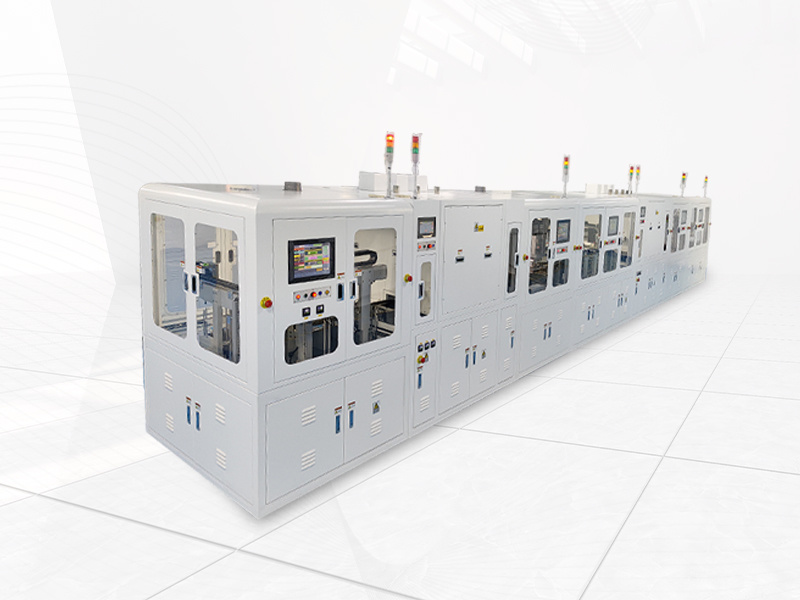
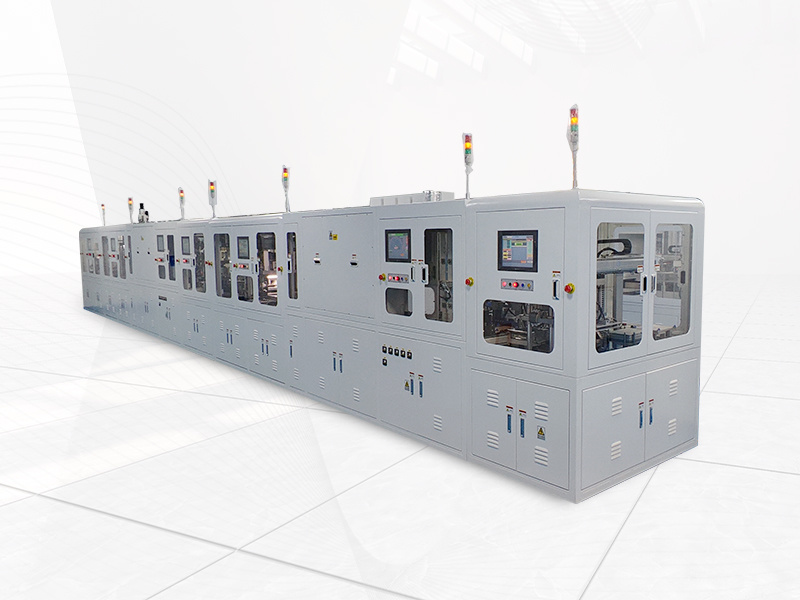
Efficiency at its Finest: Achieving Optimal Results with Fully Automatic Dipping Lines
Release time:
Aug 08,2024
Efficiency at its Finest: Achieving Optimal Results with Fully Automatic Dipping Lines
Introduction to Fully Automatic Dipping Lines
In the fast-evolving world of industrial equipment and components, **fully automatic dipping lines** have emerged as a game-changer in the coating process. These systems are designed to enhance efficiency, reduce labor costs, and ensure a high-quality finish on various substrates. This article delves deep into the mechanics, advantages, and applications of fully automatic dipping lines, providing insights that can help businesses achieve optimal results.
Understanding the Basics of Dipping Lines
What are Dipping Lines?
Dipping lines are automated systems where products are submerged in a coating solution to achieve a uniform layer of paint or other finishes. This method is particularly effective for complex shapes and large volumes of products.
Components of a Fully Automatic Dipping Line
A fully automatic dipping line consists of several key components:
- **Loading and Unloading Stations:** Automated systems to position items for coating.
- **Dipping Tanks:** Reservoirs that hold the coating material.
- **Conveyor Systems:** Transport items through the dipping process seamlessly.
- **Drying Chambers:** Areas where coated items are cured or dried.
- **Control Systems:** Software and hardware that manage the entire process.
Advantages of Fully Automatic Dipping Lines
Increased Efficiency and Productivity
One of the most significant benefits of fully automatic dipping lines is their ability to enhance efficiency. By automating the coating process, companies can significantly reduce manual labor and increase throughput. Items can be coated and dried faster than traditional methods, which leads to higher production rates and improved turnaround times.
Consistent Quality Control
Quality consistency is paramount in manufacturing. Fully automatic dipping lines ensure that each product receives an even application of coating, minimizing defects and variations. This level of precision is particularly important in industries where product quality is critical, such as automotive or aerospace.
Cost Savings in the Long Run
While the initial investment in fully automatic dipping lines may seem high, the long-term cost savings are substantial. Reduced labor costs, decreased waste of coating materials, and minimized rework contribute to a more favorable bottom line.
Flexibility and Adaptability
Modern fully automatic dipping lines are designed with flexibility in mind. They can easily adapt to different products and coating types, allowing manufacturers to pivot quickly based on market demands. This adaptability is crucial in today’s fast-paced industrial landscape.
How Fully Automatic Dipping Lines Work
The Process of Coating
The coating process begins with the loading of products onto a conveyor system. The items are then transported to the dipping tanks, where they are submerged in the coating material. Precise algorithms control the dipping speed and duration, ensuring an even application. After coating, the products travel to drying chambers, where controlled heat and airflow cure the coating.
Advanced Technologies in Dipping Lines
Technological advancements have led to the integration of features such as:
- **Robotic Arms:** For precise loading and unloading of products.
- **Real-time Monitoring Systems:** To track the coating process and ensure quality.
- **Energy-efficient Designs:** That reduce operational costs and environmental impact.
Applications of Fully Automatic Dipping Lines
Industries Benefiting from Automatic Dipping Lines
Fully automatic dipping lines can be found across various industries, including:
- **Automotive Manufacturing:** For coating vehicle parts and components.
- **Aerospace:** Ensuring reliable finishes on aircraft components.
- **Electronics:** Coating circuit boards and other electronic products to protect against corrosion.
- **Furniture and Home Appliances:** Providing aesthetic finishes to consumer products.
Case Studies: Successful Implementations
Several companies have successfully implemented fully automatic dipping lines, leading to impressive results. For instance, a prominent automotive manufacturer increased its production rate by 50% after introducing an automatic dipping line, significantly enhancing its operational efficiency.
Key Considerations When Choosing a Fully Automatic Dipping Line
Evaluating Your Needs
Before investing in a fully automatic dipping line, companies should evaluate their specific coating needs, production volumes, and budget constraints. A thorough assessment ensures the selected system aligns with operational requirements.
Choosing the Right Technology Partner
Selecting the right vendor is crucial. Look for suppliers with a proven track record in fully automatic dipping line technology and strong customer support. Inquire about their experience with similar projects and request references.
Maintenance and Support
Ongoing maintenance is essential to keep your dipping line running smoothly. Consider vendors that offer comprehensive support packages, including training, parts replacement, and technical assistance.
Future Trends in Dipping Line Technology
Integration of AI and Machine Learning
The future of fully automatic dipping lines lies in the integration of artificial intelligence (AI) and machine learning. These technologies can analyze performance data and optimize processes in real time, leading to even greater efficiency and quality.
Sustainability and Environmental Considerations
As industries face increasing pressure to adopt sustainable practices, fully automatic dipping lines are evolving. New technologies are focusing on reducing waste, utilizing eco-friendly coatings, and minimizing energy consumption.
FAQs About Fully Automatic Dipping Lines
What materials can be coated using fully automatic dipping lines?
Fully automatic dipping lines can coat a wide range of materials, including metal, plastic, and wood. The choice of coating material can vary based on the substrate and desired finish.
How long does the dipping process take?
The duration of the dipping process can vary but typically ranges from a few seconds to several minutes, depending on the product size and coating type.
Are fully automatic dipping lines suitable for small production runs?
While fully automatic dipping lines are designed for high-volume production, many systems can be adjusted for smaller runs, although they may not be as cost-effective as traditional methods.
What maintenance is required for dipping lines?
Regular maintenance includes cleaning the dipping tanks, checking for wear and tear on components, and ensuring that control systems are functioning properly.
Can fully automatic dipping lines be integrated with other manufacturing processes?
Yes, fully automatic dipping lines can be integrated with other automated processes, such as surface preparation and assembly lines, to create a seamless manufacturing system.
Conclusion
In conclusion, **fully automatic dipping lines** represent a significant advancement in industrial coating technology. By boosting efficiency, enhancing quality control, and providing long-term cost savings, these systems are essential tools for modern manufacturers. As industries continue to evolve, embracing innovations in dipping line technology will be crucial for staying competitive and achieving optimal results. Investing in these systems not only streamlines operations but also positions businesses to adapt to future challenges in the marketplace.

Copyright ©2024 Guangdong Lixing Intelligent Equipment Co., Ltd.
| Business license | SEO