Understanding Dipping Machines: Essential Tools for Efficient Manufacturing
Release time:
Nov 24,2024
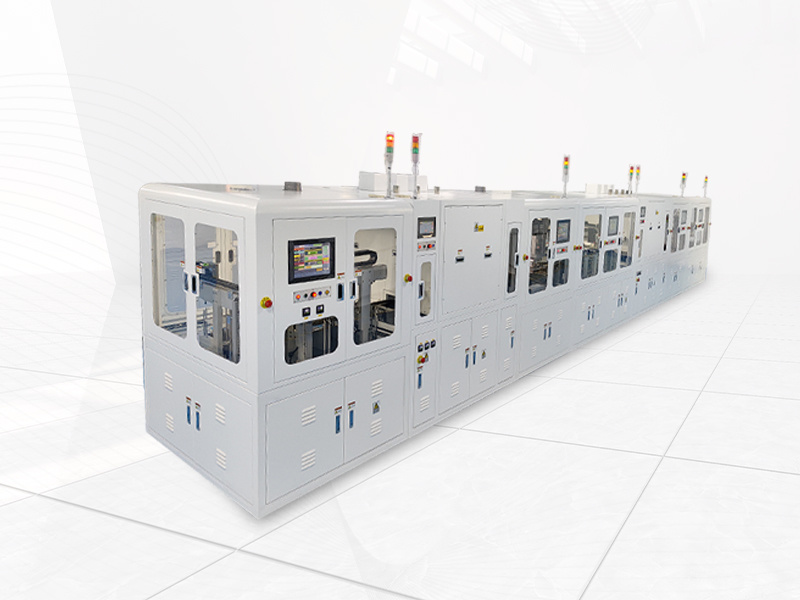
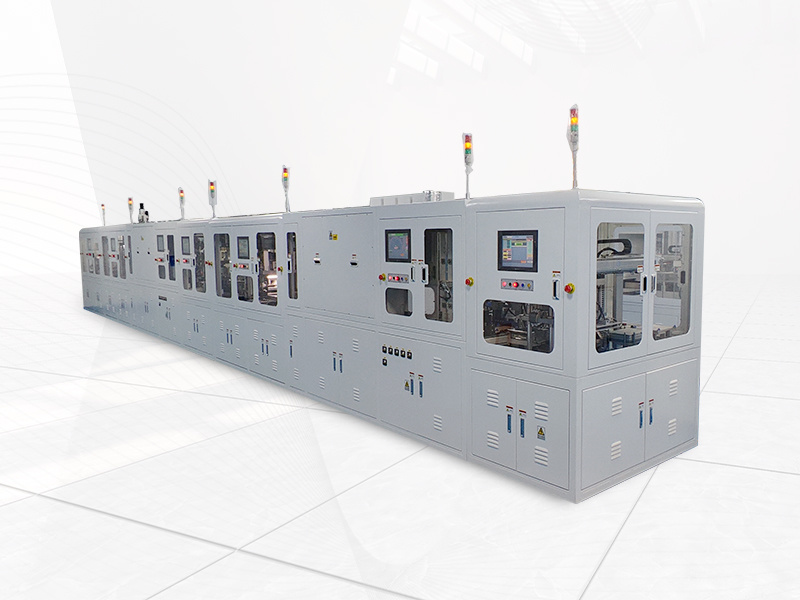
Dipping machines are specialized devices designed to immerse products in a liquid solution for coating or treatment purposes. These machines play a critical role in a variety of manufacturing sectors, including automotive, electronics, and textiles. The primary function of a dipping machine is to ensure uniform application of the coating material, enhancing product quality and performance.
One of the main advantages of using a dipping machine is efficiency. By automating the dipping process, manufacturers can significantly reduce labor costs while increasing throughput. This is particularly beneficial in high-volume production environments where maintaining consistency and speed is crucial. Additionally, dipping machines can be programmed to control various parameters such as immersion time, temperature, and withdrawal speed, allowing for precision in the coating process.
There are several types of dipping machines available, each tailored for specific applications. For instance, some machines are designed for dip-coating, where items are submerged in a liquid coating solution and then withdrawn to create a uniform layer. Others may be used for electroplating, where electrical currents facilitate the deposition of metal onto the surface of an object. Understanding the specific requirements of your manufacturing process is essential when selecting the right dipping machine.
Another critical aspect to consider is the type of coating solution being used. Depending on the application, manufacturers may use paints, varnishes, or specialized chemical solutions. It is vital to ensure compatibility between the dipping machine and the coating material to avoid issues such as clogs or uneven application. Moreover, regular maintenance of the dipping machine is necessary to prevent buildup and ensure optimal performance over time.
Safety is also a key consideration when operating dipping machines, particularly when dealing with hazardous materials. Proper ventilation, personal protective equipment, and adherence to safety protocols are essential to safeguard workers during the dipping process.
In summary, dipping machines are indispensable tools in modern manufacturing, offering significant benefits in efficiency, consistency, and quality. By understanding the various types and applications of these machines, industry professionals can make informed decisions that enhance their production processes. Whether you are looking to improve existing operations or invest in new equipment, a thorough comprehension of dipping machines will undoubtedly contribute to your manufacturing success.
One of the main advantages of using a dipping machine is efficiency. By automating the dipping process, manufacturers can significantly reduce labor costs while increasing throughput. This is particularly beneficial in high-volume production environments where maintaining consistency and speed is crucial. Additionally, dipping machines can be programmed to control various parameters such as immersion time, temperature, and withdrawal speed, allowing for precision in the coating process.
There are several types of dipping machines available, each tailored for specific applications. For instance, some machines are designed for dip-coating, where items are submerged in a liquid coating solution and then withdrawn to create a uniform layer. Others may be used for electroplating, where electrical currents facilitate the deposition of metal onto the surface of an object. Understanding the specific requirements of your manufacturing process is essential when selecting the right dipping machine.
Another critical aspect to consider is the type of coating solution being used. Depending on the application, manufacturers may use paints, varnishes, or specialized chemical solutions. It is vital to ensure compatibility between the dipping machine and the coating material to avoid issues such as clogs or uneven application. Moreover, regular maintenance of the dipping machine is necessary to prevent buildup and ensure optimal performance over time.
Safety is also a key consideration when operating dipping machines, particularly when dealing with hazardous materials. Proper ventilation, personal protective equipment, and adherence to safety protocols are essential to safeguard workers during the dipping process.
In summary, dipping machines are indispensable tools in modern manufacturing, offering significant benefits in efficiency, consistency, and quality. By understanding the various types and applications of these machines, industry professionals can make informed decisions that enhance their production processes. Whether you are looking to improve existing operations or invest in new equipment, a thorough comprehension of dipping machines will undoubtedly contribute to your manufacturing success.

Copyright ©2024 Guangdong Lixing Intelligent Equipment Co., Ltd.
| Business license | SEO