The Comprehensive Guide to Automatic Dipping Machines in Manufacturing
Release time:
Jan 21,2025
Automatic Dipping Machines are pivotal in the realm of manufacturing processing machinery, particularly for applications that demand uniform coatings or treatments. These machines are engineered to streamline the dipping process, ensuring that components receive consistent coverage with various substances, such as paints, coatings, or chemical solutions. As industries strive for efficiency and precision, understanding the operational intricacies of Automatic Dipping Machines becomes essential.
The primary advantage of an Automatic Dipping Machine lies in its ability to significantly enhance production rates while maintaining high-quality standards. Unlike manual dipping processes, which can be labor-intensive and prone to human error, these machines utilize advanced automation technology to deliver a precise and repeatable dipping action. This automation not only reduces the labor costs associated with manual operations but also minimizes the variability in coating thickness, thereby ensuring that each product meets the desired specifications.
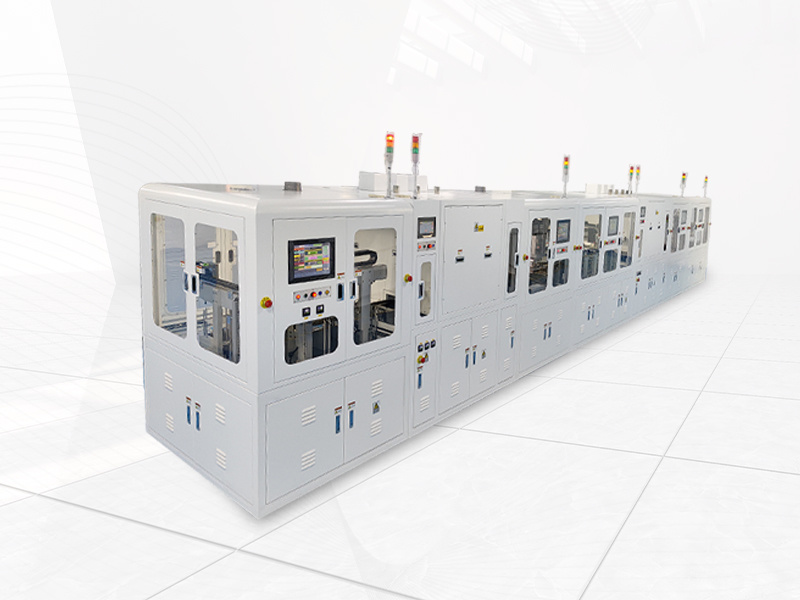
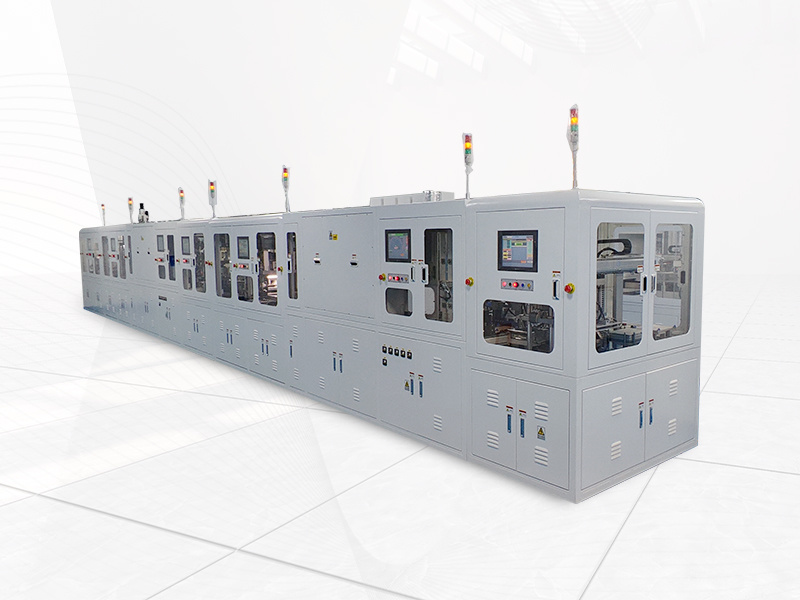
In terms of design, Automatic Dipping Machines typically feature a dipping chamber that holds the coating material. Components are fed into the machine on a conveyor system, allowing for continuous operation. The machine controls the speed of the dipping, the duration of immersion, and the withdrawal speed, all of which can be fine-tuned to accommodate different materials and required thicknesses. Moreover, many modern systems come equipped with sensors and control panels that provide real-time feedback, enabling operators to monitor and adjust settings for optimal performance.
The versatility of Automatic Dipping Machines makes them suitable for a wide range of applications across various industries. From automotive parts processing to electronic component manufacturing, these machines are employed to apply protective coatings that enhance durability and prevent corrosion. Additionally, they can be utilized in the production of household items, toys, and industrial equipment, showcasing their adaptability to meet diverse manufacturing needs.
Furthermore, Automatic Dipping Machines contribute to environmental sustainability. With precise control over material usage, manufacturers can reduce waste associated with excess coating materials. This not only lowers operational costs but also aligns with modern industry practices that prioritize eco-friendliness.
In summary, Automatic Dipping Machines are indispensable in the manufacturing sector, offering a blend of efficiency, consistency, and versatility. By automating the dipping process, manufacturers can achieve higher productivity levels while ensuring product quality is not compromised. As industries continue to evolve, incorporating such advanced machinery will be crucial for remaining competitive and meeting the growing demands of consumers. Understanding the capabilities and functionalities of Automatic Dipping Machines can empower businesses to make informed decisions that enhance their production processes and overall operational efficiency.
The primary advantage of an Automatic Dipping Machine lies in its ability to significantly enhance production rates while maintaining high-quality standards. Unlike manual dipping processes, which can be labor-intensive and prone to human error, these machines utilize advanced automation technology to deliver a precise and repeatable dipping action. This automation not only reduces the labor costs associated with manual operations but also minimizes the variability in coating thickness, thereby ensuring that each product meets the desired specifications.
In terms of design, Automatic Dipping Machines typically feature a dipping chamber that holds the coating material. Components are fed into the machine on a conveyor system, allowing for continuous operation. The machine controls the speed of the dipping, the duration of immersion, and the withdrawal speed, all of which can be fine-tuned to accommodate different materials and required thicknesses. Moreover, many modern systems come equipped with sensors and control panels that provide real-time feedback, enabling operators to monitor and adjust settings for optimal performance.
The versatility of Automatic Dipping Machines makes them suitable for a wide range of applications across various industries. From automotive parts processing to electronic component manufacturing, these machines are employed to apply protective coatings that enhance durability and prevent corrosion. Additionally, they can be utilized in the production of household items, toys, and industrial equipment, showcasing their adaptability to meet diverse manufacturing needs.
Furthermore, Automatic Dipping Machines contribute to environmental sustainability. With precise control over material usage, manufacturers can reduce waste associated with excess coating materials. This not only lowers operational costs but also aligns with modern industry practices that prioritize eco-friendliness.
In summary, Automatic Dipping Machines are indispensable in the manufacturing sector, offering a blend of efficiency, consistency, and versatility. By automating the dipping process, manufacturers can achieve higher productivity levels while ensuring product quality is not compromised. As industries continue to evolve, incorporating such advanced machinery will be crucial for remaining competitive and meeting the growing demands of consumers. Understanding the capabilities and functionalities of Automatic Dipping Machines can empower businesses to make informed decisions that enhance their production processes and overall operational efficiency.

Copyright ©2024 Guangdong Lixing Intelligent Equipment Co., Ltd.
| Business license | SEO