Understanding the Functionality and Benefits of Automatic Dipping Machines
Release time:
Jan 31,2025
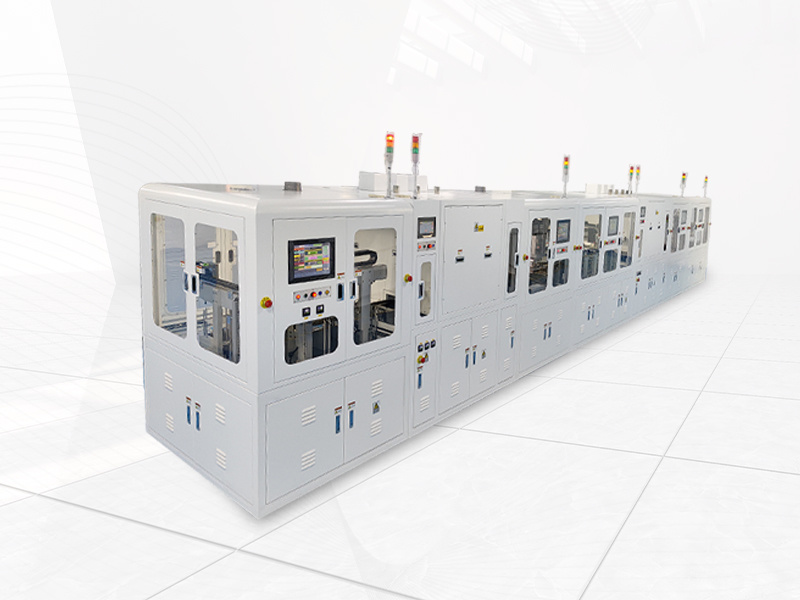
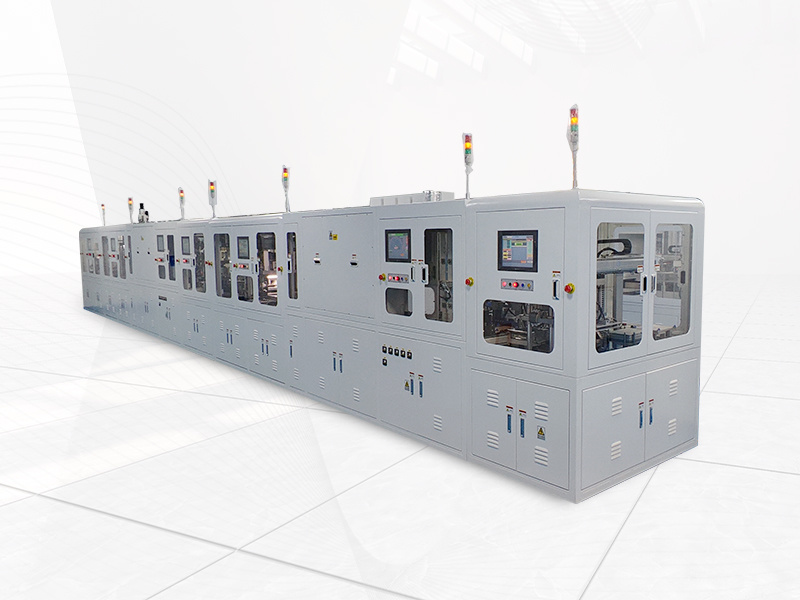
Automatic dipping machines are specialized equipment commonly utilized in various manufacturing processes, particularly in sectors that involve coating, plating, or treating materials. These machines are designed to automate the dipping process, significantly improving efficiency and consistency compared to manual methods.
The primary function of an automatic dipping machine is to immerse products in a coating solution, such as paint, varnish, or other protective materials, ensuring a uniform layer. This is particularly advantageous for items with complex geometries or intricate designs, where manual application could lead to uneven coverage or human error. By using an automatic system, manufacturers can achieve consistent quality across large production runs, which is critical for maintaining standards and meeting customer expectations.
One of the significant benefits of implementing an automatic dipping machine is the reduction in labor costs. Automation minimizes the need for extensive manual labor, allowing workers to focus on more complex tasks that require human oversight. Moreover, automatic dipping machines operate at a faster rate than manual methods, resulting in increased throughput and shorter production cycles. This efficiency not only enhances productivity but also contributes to a better return on investment over time.
Additionally, automatic dipping machines are equipped with advanced control systems that allow for precise adjustments to dipping times, speeds, and temperatures. Such features are essential for optimizing the coating process, ensuring that materials are treated according to specific requirements. This level of control is particularly beneficial in industries where the properties of the coating directly impact product performance, such as in electronics or automotive manufacturing.
Another noteworthy aspect of automatic dipping machines is their capability to handle various substrates, including metals, plastics, and glass. This versatility makes them suitable for a wide range of applications, from industrial components to consumer products. Furthermore, modern designs often incorporate features such as quick-change tooling and easy maintenance access, facilitating swift transitions between different product lines.
In conclusion, automatic dipping machines are invaluable assets in the manufacturing sector, providing enhanced efficiency, quality, and versatility. By automating the dipping process, manufacturers can streamline operations, reduce labor costs, and meet the increasingly demanding standards of today's market. As industries continue to adopt advanced manufacturing technologies, the role of automatic dipping machines will undoubtedly grow, further solidifying their importance in various production environments.
The primary function of an automatic dipping machine is to immerse products in a coating solution, such as paint, varnish, or other protective materials, ensuring a uniform layer. This is particularly advantageous for items with complex geometries or intricate designs, where manual application could lead to uneven coverage or human error. By using an automatic system, manufacturers can achieve consistent quality across large production runs, which is critical for maintaining standards and meeting customer expectations.
One of the significant benefits of implementing an automatic dipping machine is the reduction in labor costs. Automation minimizes the need for extensive manual labor, allowing workers to focus on more complex tasks that require human oversight. Moreover, automatic dipping machines operate at a faster rate than manual methods, resulting in increased throughput and shorter production cycles. This efficiency not only enhances productivity but also contributes to a better return on investment over time.
Additionally, automatic dipping machines are equipped with advanced control systems that allow for precise adjustments to dipping times, speeds, and temperatures. Such features are essential for optimizing the coating process, ensuring that materials are treated according to specific requirements. This level of control is particularly beneficial in industries where the properties of the coating directly impact product performance, such as in electronics or automotive manufacturing.
Another noteworthy aspect of automatic dipping machines is their capability to handle various substrates, including metals, plastics, and glass. This versatility makes them suitable for a wide range of applications, from industrial components to consumer products. Furthermore, modern designs often incorporate features such as quick-change tooling and easy maintenance access, facilitating swift transitions between different product lines.
In conclusion, automatic dipping machines are invaluable assets in the manufacturing sector, providing enhanced efficiency, quality, and versatility. By automating the dipping process, manufacturers can streamline operations, reduce labor costs, and meet the increasingly demanding standards of today's market. As industries continue to adopt advanced manufacturing technologies, the role of automatic dipping machines will undoubtedly grow, further solidifying their importance in various production environments.

Copyright ©2024 Guangdong Lixing Intelligent Equipment Co., Ltd.
| Business license | SEO