Discover the Versatility and Efficiency of Dipping Machines in Manufacturing
Release time:
Mar 05,2025
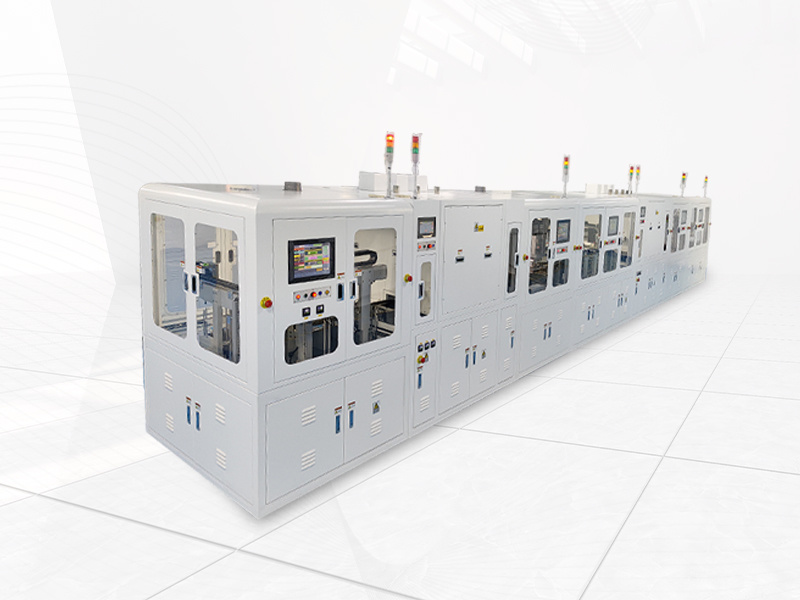
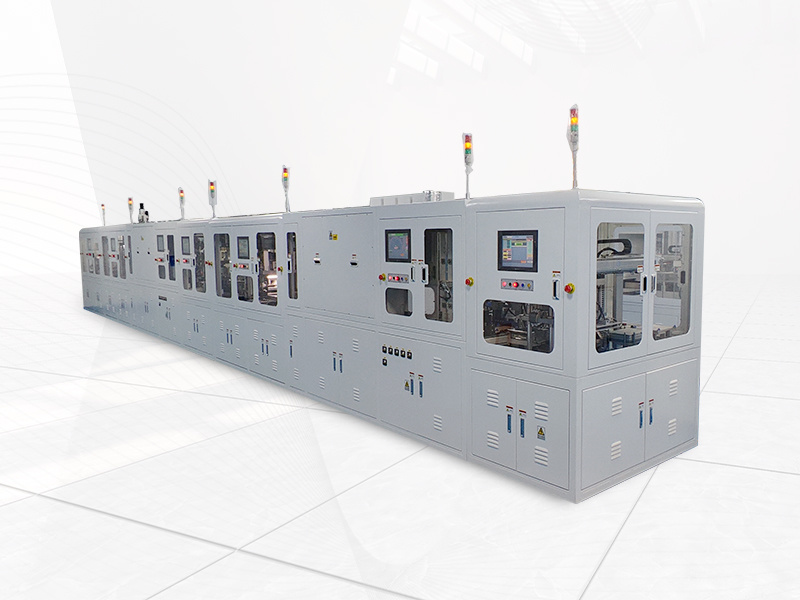
In the realm of manufacturing processing machinery, dipping machines stand out as highly efficient and versatile equipment. These machines are designed to immerse products in various liquids, such as paints, coatings, or chemical solutions, allowing for uniform application and comprehensive coverage. The dipping process is particularly beneficial for items that require a thorough coating or treatment, as it ensures that every surface is adequately addressed.
One of the primary advantages of using a dipping machine is the consistency it offers in the coating process. Unlike manual application methods, which can lead to uneven results, dipping machines provide a controlled environment. This ensures that each item receives the same thickness of coating, reducing variability in quality. As such, manufacturers can expect higher standards of quality assurance and uniformity across their products.
Dipping machines can be tailored to accommodate different materials and production volumes. Whether you're dealing with small-scale production or large batches, there are various models available that can handle a wide range of item sizes and weights. Additionally, many modern dipping machines incorporate advanced technology, such as automated controls and adjustable dipping depths, allowing for customization based on specific manufacturing requirements.
The applications of dipping machines extend beyond simple coating. They are also instrumental in processes like corrosion resistance treatment, insulation, and even adding decorative finishes to products. For instance, in industries like electronics, dipping machines can be employed for conformal coating, which protects sensitive components from moisture and dust. Similarly, in the automotive and furniture industries, these machines can provide high-quality finishes that enhance both durability and aesthetic appeal.
Moreover, the integration of dipping machines into a manufacturing line can lead to significant time and labor savings. By automating the dipping process, manufacturers can streamline operations, reduce manual labor costs, and boost overall efficiency. This automation also minimizes the risk of human error, further ensuring that the final products meet the desired specifications.
In conclusion, dipping machines are an invaluable asset in the manufacturing sector. Their ability to deliver consistent results while accommodating various materials and production needs makes them essential for companies looking to enhance their operational efficiency and product quality. By understanding the capabilities and benefits of dipping machines, manufacturers can make informed decisions that align with their production goals and quality standards. As the industry continues to evolve, embracing such technology will be key to maintaining a competitive edge.
One of the primary advantages of using a dipping machine is the consistency it offers in the coating process. Unlike manual application methods, which can lead to uneven results, dipping machines provide a controlled environment. This ensures that each item receives the same thickness of coating, reducing variability in quality. As such, manufacturers can expect higher standards of quality assurance and uniformity across their products.
Dipping machines can be tailored to accommodate different materials and production volumes. Whether you're dealing with small-scale production or large batches, there are various models available that can handle a wide range of item sizes and weights. Additionally, many modern dipping machines incorporate advanced technology, such as automated controls and adjustable dipping depths, allowing for customization based on specific manufacturing requirements.
The applications of dipping machines extend beyond simple coating. They are also instrumental in processes like corrosion resistance treatment, insulation, and even adding decorative finishes to products. For instance, in industries like electronics, dipping machines can be employed for conformal coating, which protects sensitive components from moisture and dust. Similarly, in the automotive and furniture industries, these machines can provide high-quality finishes that enhance both durability and aesthetic appeal.
Moreover, the integration of dipping machines into a manufacturing line can lead to significant time and labor savings. By automating the dipping process, manufacturers can streamline operations, reduce manual labor costs, and boost overall efficiency. This automation also minimizes the risk of human error, further ensuring that the final products meet the desired specifications.
In conclusion, dipping machines are an invaluable asset in the manufacturing sector. Their ability to deliver consistent results while accommodating various materials and production needs makes them essential for companies looking to enhance their operational efficiency and product quality. By understanding the capabilities and benefits of dipping machines, manufacturers can make informed decisions that align with their production goals and quality standards. As the industry continues to evolve, embracing such technology will be key to maintaining a competitive edge.

Copyright ©2024 Guangdong Lixing Intelligent Equipment Co., Ltd.
| Business license | SEO