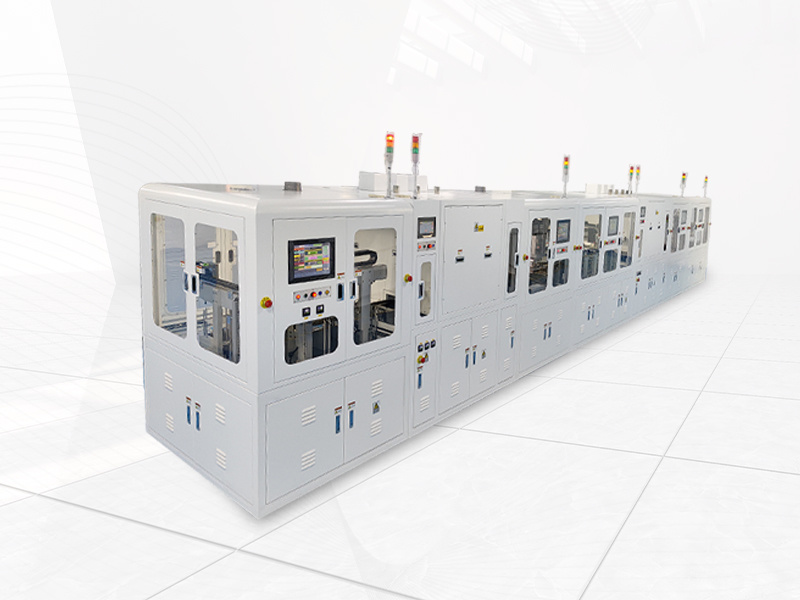
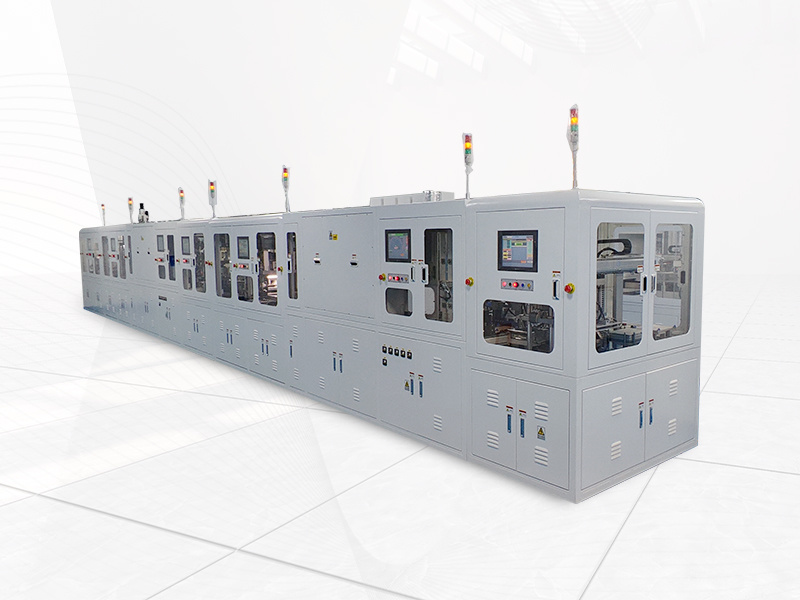
Revolutionizing Electronics: The Essential Role of MLCC Processing Equipment
Release time:
Sep 04,2024
Revolutionizing Electronics: The Essential Role of MLCC Processing Equipment
Table of Contents
- Introduction: Understanding MLCC and Its Importance in Electronics
- What Are Multi-Layer Ceramic Capacitors (MLCCs)?
- The Importance of MLCC Processing Equipment in Manufacturing
- Types of MLCC Processing Equipment
- Technological Innovations in MLCC Processing Equipment
- Impact on Manufacturing Efficiency and Quality
- The Future of MLCC Processing Equipment
- Conclusion
- Frequently Asked Questions (FAQs)
Introduction: Understanding MLCC and Its Importance in Electronics
The electronics industry is undergoing a significant transformation, driven by the ever-increasing demand for more compact, efficient, and powerful electronic devices. At the heart of this revolution is the Multi-Layer Ceramic Capacitor (MLCC), a vital component used in a variety of applications from smartphones to electric vehicles. As the industry evolves, so does the need for specialized MLCC processing equipment that enhances the manufacturing process. This article delves into the essential role of MLCC processing equipment, exploring its importance, types, technological advancements, and its future in the electronics sector.
What Are Multi-Layer Ceramic Capacitors (MLCCs)?
Multi-Layer Ceramic Capacitors (MLCCs) are passive electronic components that store and release electrical energy. They are characterized by their construction, which involves stacking multiple layers of ceramic dielectric materials interleaved with metallic electrodes. This design allows for higher capacitance values in a smaller footprint, making them indispensable in modern electronic circuits.
MLCCs are widely used in various applications, including:
- Power supply decoupling
- Signal coupling and filtering
- Timing circuits
- Energy storage in power electronics
Their ability to operate effectively across a broad range of frequencies and temperatures further solidifies their importance in the electronics industry.
The Importance of MLCC Processing Equipment in Manufacturing
The manufacturing of MLCCs involves several complex processes, including material mixing, coating, stacking, and sintering. The efficiency and precision of these processes largely depend on the quality of the MLCC processing equipment used.
Key reasons why MLCC processing equipment is critical include:
1. **Quality Control**: Advanced processing equipment ensures consistent quality in every batch of MLCCs, helping manufacturers meet stringent industry standards.
2. **Efficiency**: Automated and high-speed processing equipment significantly reduces production times, enabling manufacturers to keep pace with growing demand.
3. **Cost Reduction**: By increasing efficiency and reducing waste, high-quality processing equipment helps manufacturers lower production costs, which can lead to more competitive pricing in the market.
Types of MLCC Processing Equipment
The MLCC manufacturing process requires various specialized equipment. Here’s an overview of some of the most commonly used types:
1. Material Preparation Equipment
This equipment is responsible for preparing the raw materials used in MLCC production. It includes ball mills for mixing and grinding ceramic powders and additives to achieve the desired particle size and distribution.
2. Coating Machines
Coating machines apply dielectric layers to the electrodes. These machines utilize different techniques such as screen printing, slot die coating, and tape casting to create uniform layers.
3. Stacking Equipment
Stacking equipment accurately aligns and stacks the coated dielectric and electrode layers. Precision in this step is crucial as it directly impacts the performance and reliability of the final product.
4. Sintering Furnaces
Sintering furnaces are used to heat the stacked MLCCs at high temperatures. This process fuses the layers together and transforms the ceramic material into a solid state.
5. Testing Equipment
Post-manufacturing testing equipment is essential for evaluating the electrical performance and reliability of MLCCs. This includes capacitance measurement, ESR (Equivalent Series Resistance) testing, and life cycle testing.
Technological Innovations in MLCC Processing Equipment
The industry is witnessing rapid advancements in MLCC processing technology, driven by the need for higher performance and efficiency. Some notable innovations include:
1. Automation and Robotics
Automation is revolutionizing MLCC manufacturing by minimizing human intervention. Robotic systems streamline processes, reduce errors, and enhance overall efficiency.
2. IoT Integration
The integration of IoT (Internet of Things) technology allows for real-time monitoring and data analysis throughout the manufacturing process. This capability enables predictive maintenance, improving equipment uptime and reducing unexpected failures.
3. Advanced Materials
New material formulations and composites are being developed to enhance the performance of MLCCs. Processing equipment designed for these advanced materials ensures optimal outcomes in terms of quality and efficiency.
4. Enhanced Testing Techniques
Innovative testing techniques, such as high-throughput testing and automated failure analysis, enable manufacturers to assess the reliability of MLCCs more efficiently, ensuring that only the highest-quality products reach the market.
Impact on Manufacturing Efficiency and Quality
Investing in modern MLCC processing equipment yields substantial benefits for manufacturers. Enhanced manufacturing efficiency leads to:
- Increased production capacity without compromising quality.
- Shorter lead times, allowing for quicker responses to market demands.
- Reduced operational costs, enabling more competitive pricing.
Moreover, high-quality processing equipment contributes to:
- Greater consistency in product performance.
- Lower defect rates, resulting in decreased warranty claims and improved customer satisfaction.
The Future of MLCC Processing Equipment
As technology continues to evolve, the future of MLCC processing equipment looks promising. Key trends that are likely to shape the future landscape include:
1. Sustainability Initiatives
With a growing emphasis on sustainability, manufacturers are exploring eco-friendly materials and processes. This shift will necessitate the development of processing equipment that can accommodate these new materials without sacrificing quality.
2. Miniaturization
As consumer electronics shrink in size, the demand for smaller and more efficient MLCCs will increase. Future processing equipment will need to adapt to this trend, enabling the production of compact capacitors without compromising performance.
3. Advanced Data Analytics
The application of advanced data analytics in manufacturing will enable more precise control of production processes, leading to improvements in quality and efficiency.
Conclusion
The role of MLCC processing equipment in revolutionizing the electronics industry cannot be overstated. As manufacturers strive for greater efficiency, quality, and competitiveness, investing in advanced processing technologies becomes imperative. The innovations in MLCC processing equipment not only enhance manufacturing capabilities but also pave the way for the future of electronics, supporting the development of smaller, more efficient, and powerful devices. By embracing these advancements, the electronics industry can continue to thrive in an increasingly demanding market.
Frequently Asked Questions (FAQs)
1. What is an MLCC?
An MLCC, or Multi-Layer Ceramic Capacitor, is a passive electronic component used to store energy and filter signals in electronic circuits. It consists of multiple layers of ceramic material interleaved with metal electrodes.
2. Why is MLCC processing equipment important?
MLCC processing equipment is crucial for ensuring the quality, efficiency, and cost-effectiveness of MLCC production. It enables manufacturers to produce high-quality capacitors that meet industry standards.
3. What types of equipment are used in MLCC processing?
Key types of MLCC processing equipment include material preparation machines, coating machines, stacking equipment, sintering furnaces, and testing systems.
4. How do technological advancements impact MLCC manufacturing?
Technological advancements, such as automation, IoT integration, and new materials, enhance the efficiency, quality, and reliability of MLCC manufacturing processes.
5. What is the future outlook for MLCC processing equipment?
The future of MLCC processing equipment is likely to focus on sustainability, miniaturization, and advanced data analytics, driving further innovations in the electronics industry.

Copyright ©2024 Guangdong Lixing Intelligent Equipment Co., Ltd.
| Business license | SEO