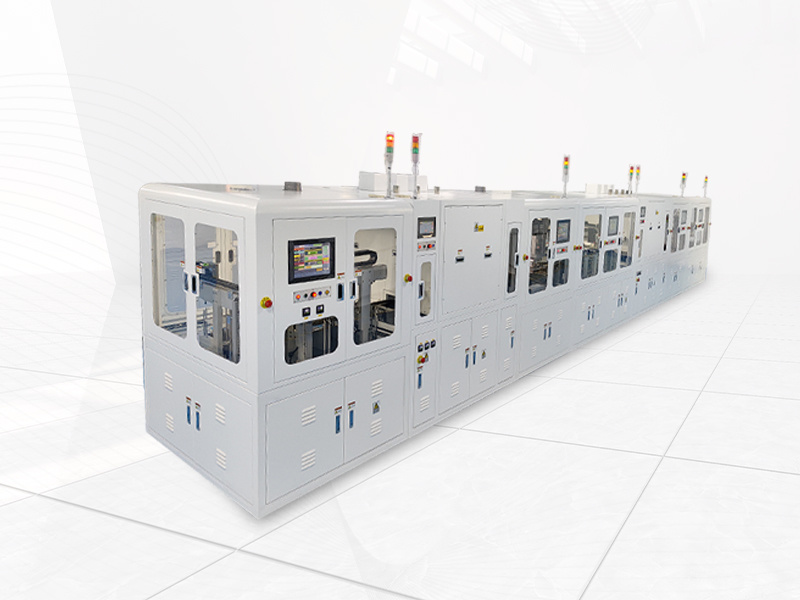
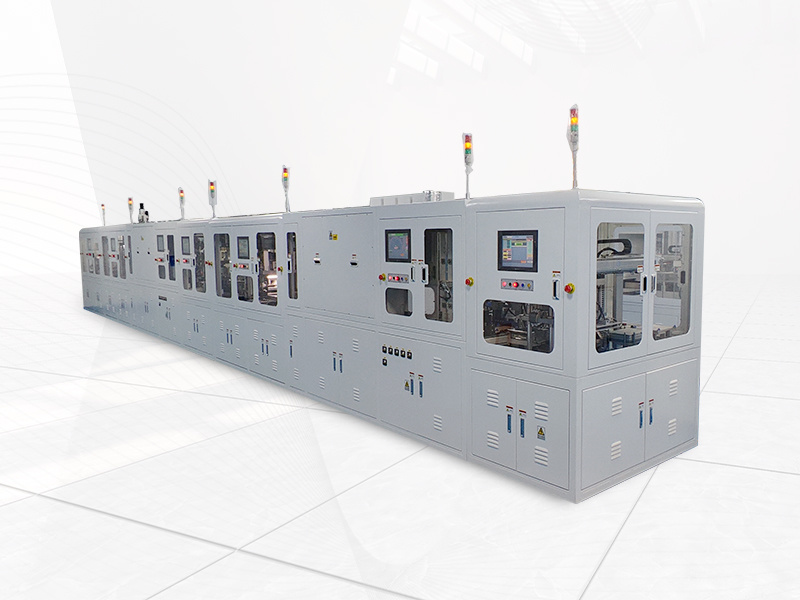
Understanding MLCC Processing Equipment: A Key Component in Electronic Manufacturing
Release time:
Sep 09,2024
In the world of electronic manufacturing, the efficient production of multilayer ceramic capacitors (MLCCs) is crucial due to their widespread use in a multitude of applications, from smartphones to industrial equipment. MLCC processing equipment plays a pivotal role in this process, enabling manufacturers to create high-quality capacitors that meet the ever-increasing demands of modern electronics.
MLCCs are characterized by their ability to store electrical energy efficiently. They are composed of multiple layers of ceramic dielectric material, interleaved with metal electrodes. The complexity of this structure necessitates specialized processing equipment, which includes various machinery designed to handle tasks such as mixing, printing, stacking, and sintering the materials involved.
One of the primary functions of MLCC processing equipment is to ensure that the dielectric materials are mixed to precise specifications. This process is critical, as the electrical properties of the resulting capacitors depend heavily on the uniformity and quality of the dielectric layers. Advanced mixing equipment is utilized to achieve a homogenous blend of raw materials, which is vital for consistency in the final product.
After mixing, the next step involves printing the electrodes onto the ceramic layers. This process is typically carried out using screen printing or inkjet printing technologies, both of which are integral to producing the fine lines required for effective electrical performance. The precision of this printing process directly impacts the functionality of the MLCCs, making it essential for manufacturers to utilize state-of-the-art printing machines that can deliver high accuracy and repeatability.
Once the layers are prepared, they must be stacked in a controlled manner. Accurate stacking is crucial for ensuring that the layers are aligned correctly, which affects the capacitor's capacitance and voltage rating. Automated stacking machines are commonly employed to enhance speed and precision, minimizing the risk of human error.
The final stage in MLCC processing involves sintering, where the stacked layers are subjected to high temperatures to fuse them together and eliminate any residual moisture. This stage is critical for achieving the desired mechanical and electrical properties of the capacitors. Advanced kilns and ovens are used to control the temperature and atmosphere during this process, ensuring that the MLCCs maintain their integrity and performance characteristics.
In conclusion, MLCC processing equipment is a fundamental aspect of the electronic manufacturing industry. By utilizing advanced machinery and technology, manufacturers can produce high-quality multilayer ceramic capacitors that meet the stringent demands of modern electronic applications. Understanding the intricacies of this processing equipment allows companies to optimize their production processes, ensuring that they remain competitive in a rapidly evolving market.
MLCCs are characterized by their ability to store electrical energy efficiently. They are composed of multiple layers of ceramic dielectric material, interleaved with metal electrodes. The complexity of this structure necessitates specialized processing equipment, which includes various machinery designed to handle tasks such as mixing, printing, stacking, and sintering the materials involved.
One of the primary functions of MLCC processing equipment is to ensure that the dielectric materials are mixed to precise specifications. This process is critical, as the electrical properties of the resulting capacitors depend heavily on the uniformity and quality of the dielectric layers. Advanced mixing equipment is utilized to achieve a homogenous blend of raw materials, which is vital for consistency in the final product.
After mixing, the next step involves printing the electrodes onto the ceramic layers. This process is typically carried out using screen printing or inkjet printing technologies, both of which are integral to producing the fine lines required for effective electrical performance. The precision of this printing process directly impacts the functionality of the MLCCs, making it essential for manufacturers to utilize state-of-the-art printing machines that can deliver high accuracy and repeatability.
Once the layers are prepared, they must be stacked in a controlled manner. Accurate stacking is crucial for ensuring that the layers are aligned correctly, which affects the capacitor's capacitance and voltage rating. Automated stacking machines are commonly employed to enhance speed and precision, minimizing the risk of human error.
The final stage in MLCC processing involves sintering, where the stacked layers are subjected to high temperatures to fuse them together and eliminate any residual moisture. This stage is critical for achieving the desired mechanical and electrical properties of the capacitors. Advanced kilns and ovens are used to control the temperature and atmosphere during this process, ensuring that the MLCCs maintain their integrity and performance characteristics.
In conclusion, MLCC processing equipment is a fundamental aspect of the electronic manufacturing industry. By utilizing advanced machinery and technology, manufacturers can produce high-quality multilayer ceramic capacitors that meet the stringent demands of modern electronic applications. Understanding the intricacies of this processing equipment allows companies to optimize their production processes, ensuring that they remain competitive in a rapidly evolving market.

Copyright ©2024 Guangdong Lixing Intelligent Equipment Co., Ltd.
| Business license | SEO