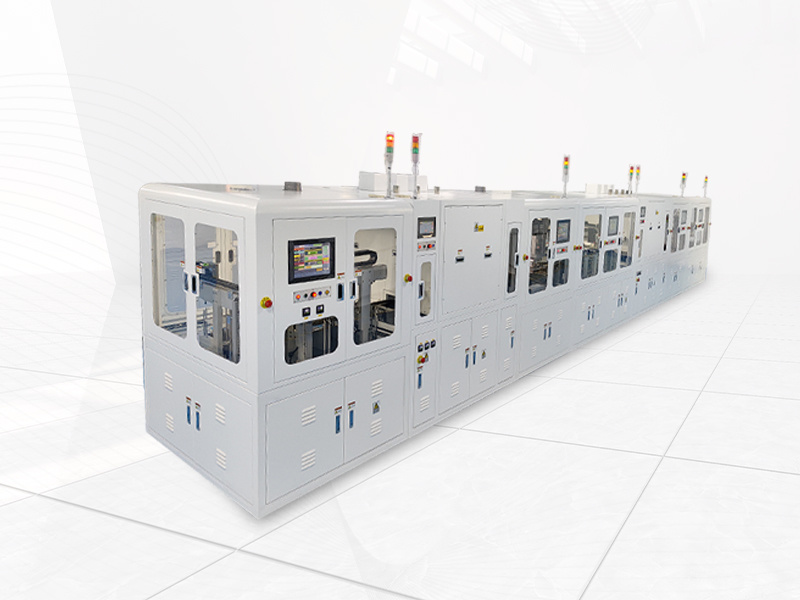
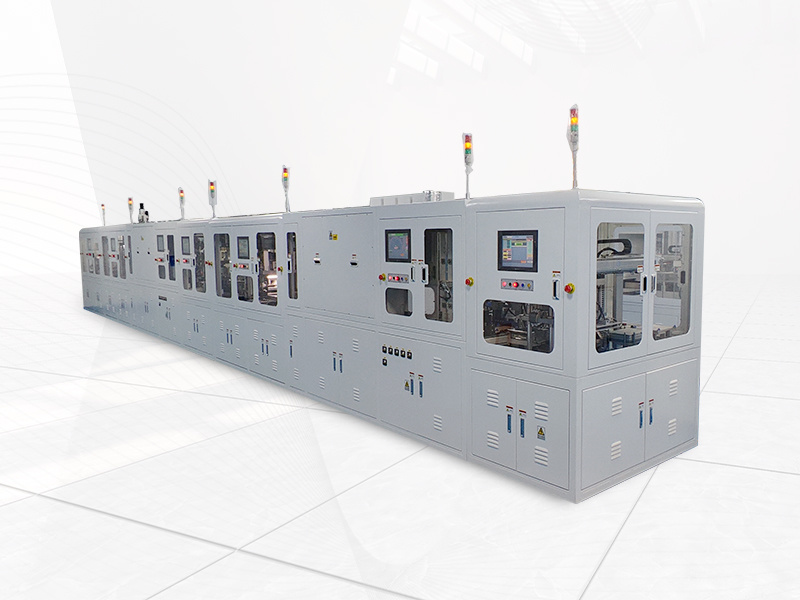
How MLCC Processing Equipment Enhances Electronic Component Manufacturing
Release time:
Sep 14,2024
How MLCC Processing Equipment Enhances Electronic Component Manufacturing
Table of Contents
1. Introduction to MLCC Processing Equipment
2. Understanding the Role of MLCCs in Modern Electronics
3. Key Features of MLCC Processing Equipment
3.1 Precision and Accuracy in Manufacturing
3.2 Automation and Efficiency
3.3 Advanced Material Handling
4. Benefits of Using MLCC Processing Equipment
4.1 Enhancing Product Quality
4.2 Reducing Manufacturing Costs
4.3 Increasing Production Speed
5. Applications of MLCC Processing Equipment in Various Industries
5.1 Consumer Electronics
5.2 Automotive Sector
5.3 Telecommunications and Networking
6. Future Trends in MLCC Processing Technologies
7. Conclusion
8. FAQs
1. Introduction to MLCC Processing Equipment
The manufacturing landscape for electronic components has evolved dramatically, and **Multi-layer Ceramic Capacitors (MLCCs)** have become a cornerstone of this transformation. As the demand for compact and efficient electronic devices rises, so does the need for sophisticated MLCC processing equipment designed to streamline production and enhance the quality of electronic components. In this article, we will explore how MLCC processing equipment contributes to improving electronic component manufacturing, examining its key features, benefits, applications, and future trends.
2. Understanding the Role of MLCCs in Modern Electronics
MLCCs serve a crucial function in electronic devices by regulating voltage, storing energy, and filtering signals. Their ability to manage these tasks in a compact form factor makes them essential components in various applications, from smartphones and laptops to automotive systems and industrial machinery. The increasing miniaturization of devices and the demand for higher efficiency has led to an exponential growth in the MLCC market, underlining the necessity for advanced processing equipment that can keep pace with this evolution.
3. Key Features of MLCC Processing Equipment
MLCC processing equipment is engineered to meet the rigorous demands of modern electronic manufacturing. Several features distinguish these machines and contribute to their effectiveness in producing high-quality capacitors.
3.1 Precision and Accuracy in Manufacturing
One of the hallmark features of MLCC processing equipment is its precision. These machines are designed to operate at micro-level tolerances, ensuring that each layer of the capacitor is constructed with utmost accuracy. High-quality control systems and precision machinery minimize defects and enhance the reliability of the end product.
3.2 Automation and Efficiency
Automation plays a pivotal role in modern manufacturing. MLCC processing equipment incorporates advanced robotic systems and artificial intelligence, enabling high-volume production with minimal human intervention. This automation reduces the likelihood of errors, increases operational efficiency, and allows manufacturers to scale production without compromising quality.
3.3 Advanced Material Handling
Handling materials in MLCC manufacturing requires specialized equipment to ensure that fragile components are treated with care. Advanced material handling systems integrated into MLCC processing machinery ensure that materials are transported smoothly and without damage, enhancing overall production efficiency.
4. Benefits of Using MLCC Processing Equipment
Adopting MLCC processing equipment offers several advantages that significantly impact electronic component manufacturing.
4.1 Enhancing Product Quality
The precision and automation features of MLCC processing equipment directly contribute to improved product quality. By minimizing defects, manufacturers can produce capacitors that meet stringent industry standards and customer expectations, leading to higher satisfaction levels and reduced returns.
4.2 Reducing Manufacturing Costs
Although the initial investment in advanced processing equipment may be substantial, the long-term savings on labor, waste reduction, and improved production rates can lead to significant cost reductions. Efficient processes mean that manufacturers can allocate resources more effectively, ultimately enhancing profitability.
4.3 Increasing Production Speed
With the ability to operate continuously and at high speeds, MLCC processing equipment allows manufacturers to meet the growing demand for electronic components. Faster production cycles ensure that companies can stay competitive in a rapidly evolving market, fulfilling orders promptly without sacrificing quality.
5. Applications of MLCC Processing Equipment in Various Industries
The versatility of MLCCs makes them suitable for a range of applications across diverse industries. Here, we examine how MLCC processing equipment is utilized in different sectors.
5.1 Consumer Electronics
In the consumer electronics sector, MLCCs are found in smartphones, tablets, and wearable devices. The compact size and efficiency of these capacitors make them ideal for high-performance applications, and the demand for innovative devices drives the need for advanced processing technologies.
5.2 Automotive Sector
With the rise of electric vehicles and sophisticated infotainment systems, the automotive industry increasingly relies on MLCCs. These capacitors play a critical role in managing power and ensuring stable performance in various automotive applications, necessitating robust processing equipment that can handle production at scale.
5.3 Telecommunications and Networking
The telecommunications industry demands high-performance components for routers, switches, and base stations. MLCCs contribute to signal stability and energy efficiency, and advanced processing equipment ensures that manufacturers can produce these components efficiently.
6. Future Trends in MLCC Processing Technologies
As the electronic manufacturing landscape continues to evolve, several trends are shaping the future of MLCC processing technologies. Innovations in machine learning, AI integration, and smart manufacturing will likely drive the next generation of MLCC processing equipment, further improving efficiency and product quality.
7. Conclusion
In conclusion, MLCC processing equipment plays a vital role in enhancing electronic component manufacturing. Its precision, automation, and advanced material handling capabilities contribute significantly to improving product quality while reducing manufacturing costs and increasing production speed. As industries continue to rely on MLCCs for various applications, investing in state-of-the-art processing equipment will be crucial for manufacturers aiming to stay competitive in the market.
8. FAQs
1. What is MLCC processing equipment?
MLCC processing equipment refers to specialized machinery designed to manufacture multi-layer ceramic capacitors with high precision and efficiency.
2. How does MLCC processing equipment improve product quality?
Advanced features such as precision manufacturing and automation minimize defects, ensuring high-quality MLCCs that meet industry standards.
3. What industries benefit from MLCCs?
MLCCs are widely used in consumer electronics, automotive, telecommunications, and various industrial applications.
4. Is automation important in MLCC manufacturing?
Yes, automation enhances production efficiency, reduces human error, and allows manufacturers to scale operations effectively.
5. What are the future trends in MLCC processing technologies?
Future trends include the integration of machine learning, AI, and smart manufacturing practices to enhance efficiency and product quality further.

Copyright ©2024 Guangdong Lixing Intelligent Equipment Co., Ltd.
| Business license | SEO