How Automatic Dipping Machines Revolutionize Manufacturing Processes
Release time:
Oct 03,2024
How Automatic Dipping Machines Revolutionize Manufacturing Processes
Table of Contents
- Introduction to Automatic Dipping Machines
- What Are Automatic Dipping Machines?
- Working Principle of Automatic Dipping Machines
- Advantages of Automatic Dipping Machines in Manufacturing
- Applications of Automatic Dipping Machines in Manufacturing
- Choosing the Right Automatic Dipping Machine for Your Needs
- The Future of Automatic Dipping Machines in Manufacturing
- FAQs About Automatic Dipping Machines
- Conclusion
Introduction to Automatic Dipping Machines
In the fast-paced world of manufacturing, efficiency and precision are paramount. **Automatic dipping machines** have emerged as a revolutionary technology that significantly enhances production processes across various industries. By automating the dipping process, these machines not only streamline operations but also improve product quality and reduce waste. This article delves into the intricacies of automatic dipping machines, their operational principles, and the myriad ways they are transforming the manufacturing landscape.
What Are Automatic Dipping Machines?
Automatic dipping machines are specialized equipment designed to immerse products in a coating solution or liquid. These machines are pivotal in applying various finishes, including paints, varnishes, and protective coatings, to a wide range of materials. Unlike traditional manual dipping methods, automatic dipping machines utilize advanced technology to ensure consistent, high-quality results.
**Key Features of Automatic Dipping Machines**
- **Automation**: Reduces manual labor and human error, enhancing productivity.
- **Versatility**: Capable of handling various products, from small components to large industrial parts.
- **Programmability**: Allows for customizable dip times and processing parameters, ensuring optimal results.
- **Safety**: Minimizes exposure to hazardous materials for operators.
Working Principle of Automatic Dipping Machines
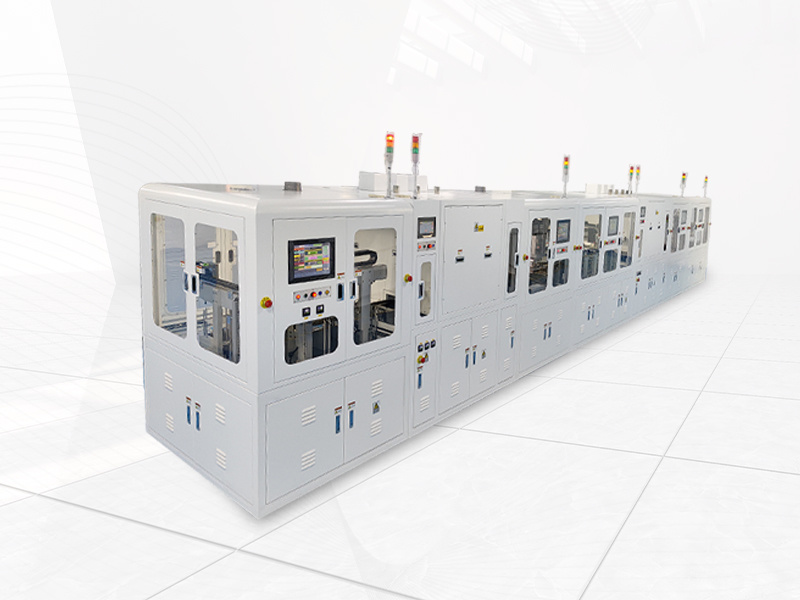
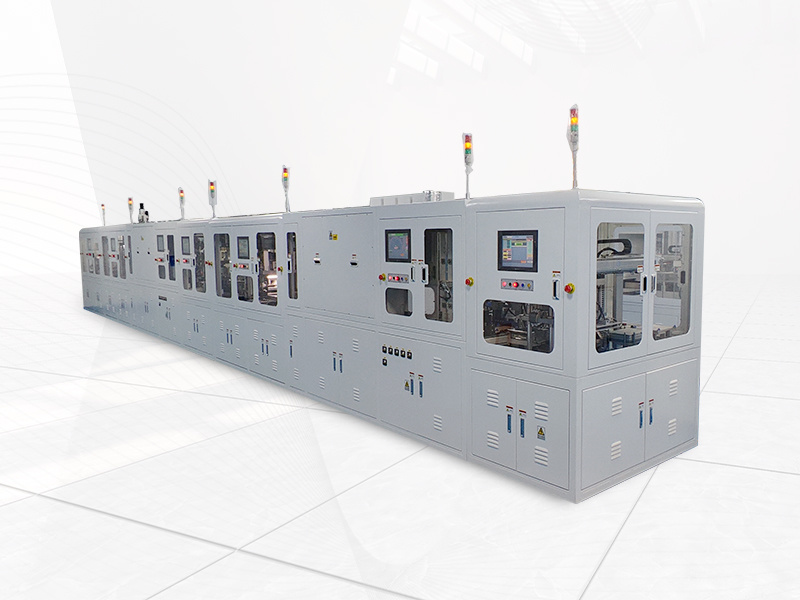
Understanding the working principle of automatic dipping machines is crucial in appreciating their impact on manufacturing efficiency. These machines typically consist of several core components:
- **Dipping Chamber**: A reservoir that holds the coating solution. The depth and size can vary based on the machine's design and the products being processed.
- **Conveyor System**: Automatically transports products into and out of the dipping chamber, ensuring a continuous workflow.
- **Control Panel**: Allows operators to adjust settings such as dip time, withdrawal speed, and temperature of the coating solution.
**Operational Steps**:
1. **Loading**: Products are loaded onto the conveyor system.
2. **Dipping**: The conveyor moves the products into the dipping chamber, where they are immersed in the coating solution for a predetermined time.
3. **Withdrawal**: After the dipping cycle, products are withdrawn at a controlled speed to allow excess coating to drip off.
4. **Curing**: Depending on the coating material, products may proceed to a curing oven or drying area for further processing.
Advantages of Automatic Dipping Machines in Manufacturing
The integration of automatic dipping machines into manufacturing processes offers numerous benefits that enhance operational effectiveness.
Increased Efficiency and Speed
One of the most significant advantages is the **increased efficiency and speed** of production. Automatic dipping machines can process products at a high speed, drastically reducing cycle times compared to manual dipping. This efficiency allows manufacturers to meet growing demand without compromising quality.
Quality Improvement and Consistency
Quality assurance is critical in manufacturing, and automatic dipping machines excel in maintaining consistent coating thickness and uniform application. This consistency leads to fewer defects and rework, enhancing overall product quality. Manufacturers can also implement real-time monitoring features to ensure that process parameters are met, further improving quality control.
Cost-Effectiveness
While the initial investment in automatic dipping machines may be significant, the long-term savings are undeniable. By reducing labor costs, minimizing material waste, and improving product quality, manufacturers can achieve a **quick return on investment**. Additionally, the automated nature of these machines helps to lower operational costs over time.
Applications of Automatic Dipping Machines in Manufacturing
Automatic dipping machines are versatile and find applications across various industries. Here are some notable examples:
1. **Automotive Industry**: Used for applying protective coatings to components and parts, enhancing durability and aesthetics.
2. **Electronics**: Employed for coating circuit boards and electronic components, ensuring protection against moisture and dust.
3. **Furniture Manufacturing**: Ideal for applying varnishes and finishes to wooden furniture, ensuring a smooth and even coat.
4. **Aerospace**: Utilized for coating critical components to withstand extreme conditions, improving safety and performance.
Choosing the Right Automatic Dipping Machine for Your Needs
Selecting the appropriate automatic dipping machine is essential to maximizing its benefits. Here are key factors to consider:
- **Product Size and Shape**: Ensure the machine can accommodate the dimensions and weight of the products you intend to dip.
- **Coating Type**: Different machines are designed for specific coating materials; selecting the right one is crucial for optimal results.
- **Production Volume**: Assess your production needs to choose a machine that can handle your expected output without bottlenecks.
- **Customization Options**: Look for machines that offer programmability and flexibility to adapt to various processes and products.
The Future of Automatic Dipping Machines in Manufacturing
As technology continues to evolve, the future of automatic dipping machines looks promising. Innovations such as IoT integration, advanced robotics, and AI-driven analytics are set to enhance efficiency and precision even further. Manufacturers that embrace these technologies will not only improve their operations but will also stay competitive in an ever-changing industry landscape.
**Sustainable Practices**: There is a growing trend towards sustainability in manufacturing. Future automatic dipping machines will likely incorporate eco-friendly practices, such as using less harmful chemicals and implementing systems to recycle coating materials.
FAQs About Automatic Dipping Machines
1. What types of coatings can be applied using automatic dipping machines?
Automatic dipping machines can apply a variety of coatings, including paints, varnishes, resins, and protective chemicals.
2. Are automatic dipping machines suitable for small-scale production?
Yes, many automatic dipping machines are designed to accommodate both large and small production runs, making them versatile for various manufacturing needs.
3. How do I maintain an automatic dipping machine?
Regular maintenance involves cleaning the dipping chamber, checking the conveyor system, and ensuring that all controls are functioning correctly.
4. Can automatic dipping machines handle complex shapes and structures?
Yes, many modern automatic dipping machines can be programmed to handle complex shapes, ensuring even coating across all surfaces.
5. How can I reduce the environmental impact of using dipping machines?
Consider using eco-friendly coatings, implementing waste recycling systems, and optimizing the dipping process to minimize excess material usage.
Conclusion
Automatic dipping machines have fundamentally changed manufacturing processes, introducing a new era of efficiency, precision, and quality. By understanding their workings, advantages, and applications, manufacturers can leverage this technology to enhance their productivity and remain competitive. As we look to the future, continuous advancements in technology promise even greater improvements, solidifying the role of automatic dipping machines as indispensable tools in modern manufacturing.

Copyright ©2024 Guangdong Lixing Intelligent Equipment Co., Ltd.
| Business license | SEO