Understanding Automatic Dipping Machines: Enhancing Manufacturing Efficiency
Release time:
Oct 07,2024
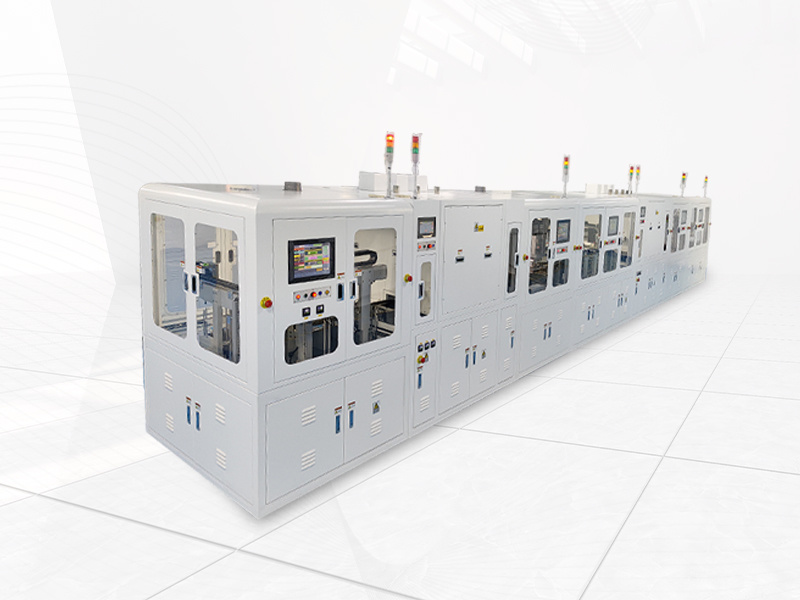
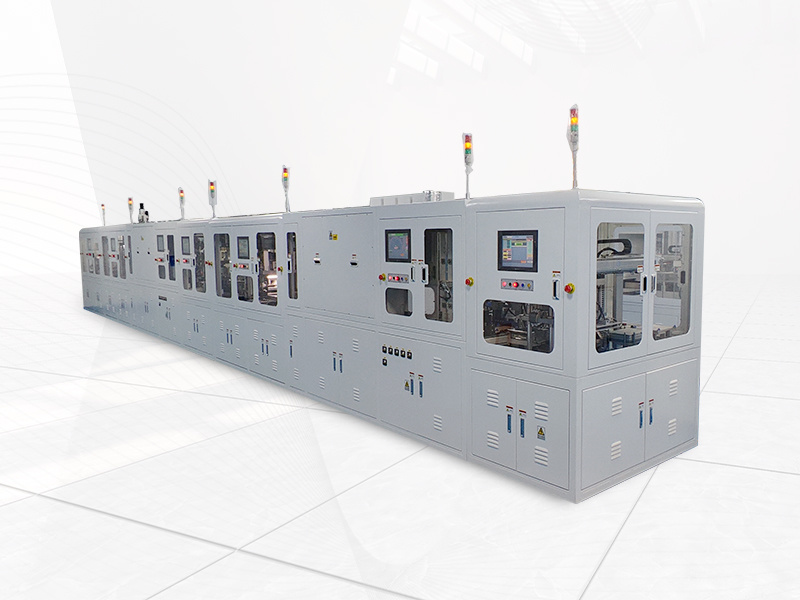
Automatic dipping machines are sophisticated devices used primarily in the manufacturing sector to streamline the dipping process of various products. These machines are designed to efficiently coat items with liquids, such as paints, adhesives, or other chemical solutions, ensuring a uniform layer while maximizing productivity.
One of the critical advantages of an automatic dipping machine lies in its ability to enhance consistency in the coating process. In traditional manual dipping, variations in coating thickness can occur due to human error or differences in technique. Automatic dipping machines mitigate this risk by employing precise controls and consistent operational parameters, resulting in a more uniform application across all items processed. This consistency not only improves product quality but also reduces waste and rework, contributing to overall efficiency in manufacturing operations.
Moreover, these machines often include features such as adjustable dipping speeds, programmable cycles, and temperature controls. Such versatility allows manufacturers to tailor the dipping process to suit specific requirements, whether they are dealing with delicate components or heavy-duty items. The automation aspect also alleviates the burden on workers, enabling them to focus on other essential tasks while the machine handles the repetitive dipping process.
Automatic dipping machines find applications in various industries, including automotive, electronics, and textiles. In the automotive sector, for instance, they can be used to coat parts with protective layers that enhance durability. In electronics, precise dipping is essential for applying coatings that ensure the functionality and longevity of components. The versatility of these machines extends to the textile industry as well, where they are employed for dyeing fabrics uniformly.
As manufacturers increasingly prioritize efficiency and quality, the role of automatic dipping machines is becoming more critical. The integration of advanced technologies, such as sensors and automation software, further enhances their capabilities, allowing for real-time monitoring and adjustments during the dipping process. This not only saves time but also ensures that the final products meet the desired specifications.
In conclusion, automatic dipping machines are invaluable assets in the manufacturing sector, offering a range of benefits that help streamline production processes. By ensuring uniformity, reducing waste, and enhancing operational efficiency, these machines play a vital role in improving the overall quality of manufactured products. As industries evolve, the continued adoption of such technologies will be crucial for maintaining competitiveness and meeting the growing demands of consumers.
One of the critical advantages of an automatic dipping machine lies in its ability to enhance consistency in the coating process. In traditional manual dipping, variations in coating thickness can occur due to human error or differences in technique. Automatic dipping machines mitigate this risk by employing precise controls and consistent operational parameters, resulting in a more uniform application across all items processed. This consistency not only improves product quality but also reduces waste and rework, contributing to overall efficiency in manufacturing operations.
Moreover, these machines often include features such as adjustable dipping speeds, programmable cycles, and temperature controls. Such versatility allows manufacturers to tailor the dipping process to suit specific requirements, whether they are dealing with delicate components or heavy-duty items. The automation aspect also alleviates the burden on workers, enabling them to focus on other essential tasks while the machine handles the repetitive dipping process.
Automatic dipping machines find applications in various industries, including automotive, electronics, and textiles. In the automotive sector, for instance, they can be used to coat parts with protective layers that enhance durability. In electronics, precise dipping is essential for applying coatings that ensure the functionality and longevity of components. The versatility of these machines extends to the textile industry as well, where they are employed for dyeing fabrics uniformly.
As manufacturers increasingly prioritize efficiency and quality, the role of automatic dipping machines is becoming more critical. The integration of advanced technologies, such as sensors and automation software, further enhances their capabilities, allowing for real-time monitoring and adjustments during the dipping process. This not only saves time but also ensures that the final products meet the desired specifications.
In conclusion, automatic dipping machines are invaluable assets in the manufacturing sector, offering a range of benefits that help streamline production processes. By ensuring uniformity, reducing waste, and enhancing operational efficiency, these machines play a vital role in improving the overall quality of manufactured products. As industries evolve, the continued adoption of such technologies will be crucial for maintaining competitiveness and meeting the growing demands of consumers.

Copyright ©2024 Guangdong Lixing Intelligent Equipment Co., Ltd.
| Business license | SEO