The Future of Manufacturing: Unleashing Efficiency with Automatic Dipping Machines
Release time:
Oct 11,2024
The Future of Manufacturing: Benefits of Using Automatic Dipping Machines
Table of Contents
- 1. Introduction to Automatic Dipping Machines
- 2. What Are Automatic Dipping Machines?
- 3. Key Advantages of Using Automatic Dipping Machines
- 4. Applications of Automatic Dipping Machines in Various Industries
- 5. How Do Automatic Dipping Machines Work?
- 6. Choosing the Right Automatic Dipping Machine for Your Needs
- 7. The Future of Automatic Dipping Machines in Manufacturing
- 8. Frequently Asked Questions
- 9. Conclusion
1. Introduction to Automatic Dipping Machines
In today's rapidly changing manufacturing landscape, businesses are constantly seeking innovative ways to improve efficiency and reduce operational costs. **Automatic dipping machines** have emerged as a key player in this evolution. These machines streamline processes, enhance product quality, and help manufacturers meet the increasing demand for precision and consistency.
As we dive into the world of automatic dipping machines, we will explore their definition, benefits, applications, and future trends, providing a comprehensive understanding of why they are essential for modern manufacturing.
2. What Are Automatic Dipping Machines?
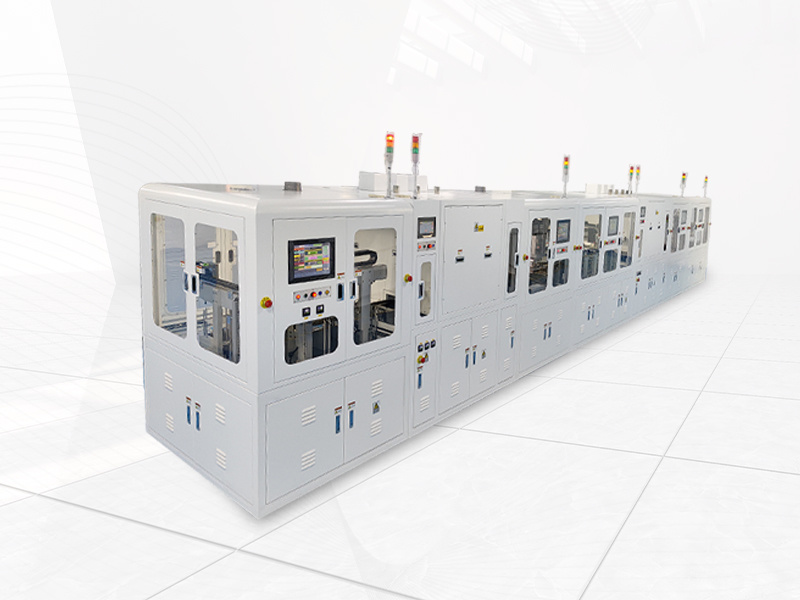
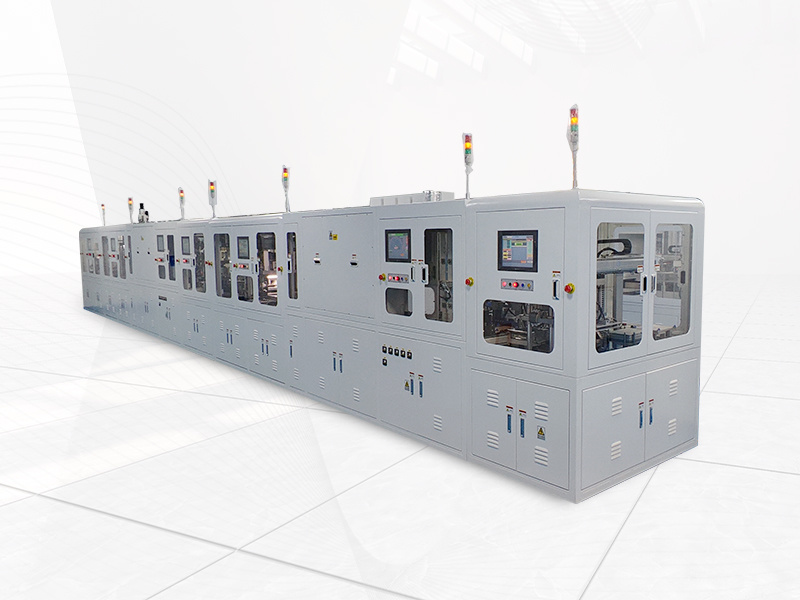
**Automatic dipping machines** refer to specialized equipment designed for the continuous immersion of products in a liquid medium. This process can involve coatings, paints, adhesives, or any other liquid substance that needs to be uniformly applied to the surface of a product.
These machines are engineered to handle various materials, from metals to plastics, and can be used for a wide range of applications. By automating the dipping process, manufacturers can ensure a consistent application, reduce manual labor, and improve overall production speed.
3. Key Advantages of Using Automatic Dipping Machines
The adoption of automatic dipping machines in manufacturing offers numerous advantages, including:
3.1 Enhanced Efficiency
Automatic dipping machines significantly enhance production efficiency by minimizing the time required for coating applications. The automated process eliminates the variability associated with manual dipping, allowing manufacturers to achieve greater throughput.
3.2 Cost Reduction
By reducing labor costs and material wastage through precise application, automatic dipping machines can lead to substantial cost savings over time. Furthermore, their ability to operate continuously means they can produce more products in less time.
3.3 Improved Consistency and Quality
One of the primary benefits of using automatic dipping machines is the quality of the final product. These machines ensure a uniform coating thickness, which is critical for product durability and performance. With consistent applications, manufacturers can meet stringent quality standards and customer expectations.
3.4 Versatility in Applications
Automatic dipping machines are versatile and can be designed to accommodate a variety of dipping solutions and product types. Whether it's applying a protective coating to metal parts or a decorative finish to consumer goods, these machines can adapt to different manufacturing needs.
3.5 Reduced Environmental Impact
Modern automatic dipping machines are often designed with sustainability in mind. They use advanced technologies to minimize overspray and waste, reducing the environmental footprint associated with manufacturing processes.
4. Applications of Automatic Dipping Machines in Various Industries
Automatic dipping machines find applications across a wide range of industries. Here are some notable examples:
4.1 Automotive Industry
In the automotive sector, automatic dipping machines are utilized for applying protective coatings to various components, ensuring they resist corrosion and wear.
4.2 Electronics Manufacturing
The electronics industry benefits from automatic dipping machines for applying solder masks and conformal coatings, which protect sensitive components from moisture and dust.
4.3 Consumer Goods
From toys to kitchenware, automatic dipping machines are used to apply vibrant colors and protective finishes, enhancing both aesthetics and functionality.
4.4 Aerospace Industry
In aerospace manufacturing, these machines play a critical role in applying specialized coatings that enhance the performance and durability of aircraft components.
4.5 Medical Devices
Automatic dipping machines are also essential in the production of medical devices, where coatings must adhere to strict regulatory standards for safety and efficacy.
5. How Do Automatic Dipping Machines Work?
Understanding the operational principles of automatic dipping machines can provide insights into their effectiveness:
5.1 The Dipping Process
The dipping process begins with the product being placed on a conveyor system, which transports it to the dipping chamber. Here, the product is immersed in the liquid medium to the desired depth and for a specific duration, ensuring even coverage.
5.2 Draining and Drying
After the dipping phase, the product is typically lifted from the liquid, allowing excess material to drain off. Subsequently, the product enters a drying area, where controlled temperature and airflow facilitate drying or curing, depending on the material used.
5.3 Automation and Controls
Modern automatic dipping machines are equipped with advanced control systems that monitor and adjust various parameters such as temperature, immersion time, and speed. This automation ensures optimal results while reducing the need for manual oversight.
6. Choosing the Right Automatic Dipping Machine for Your Needs
Selecting the appropriate automatic dipping machine requires careful consideration of several factors:
6.1 Product Specifications
Assess the dimensions, weight, and material of the products you plan to coat. Different machines may have specific limitations or capabilities to accommodate various sizes and weights.
6.2 Type of Coating Material
Identify the types of coatings you intend to use. Some machines are designed for specific materials, while others can handle a range of coatings, including paints, adhesives, and protective films.
6.3 Production Volume
Consider your production volume and how it aligns with the machine’s throughput capabilities. Choose a machine that can meet your production demands without compromising quality.
6.4 Budget and ROI
Evaluate your budget and analyze the return on investment (ROI) that an automatic dipping machine can provide. While the initial investment may be significant, the long-term savings in labor and material costs can justify the expense.
7. The Future of Automatic Dipping Machines in Manufacturing
As manufacturing continues to evolve, so too will automatic dipping machines. Several trends are shaping the future of these machines:
7.1 Integration of Smart Technologies
The rise of Industry 4.0 is driving the integration of smart technologies into automatic dipping machines. These advancements will enhance automation, data collection, and predictive maintenance, leading to improved operational efficiency.
7.2 Eco-Friendly Innovations
The focus on sustainability will push manufacturers toward eco-friendly dipping solutions, including low-VOC coatings and water-based products. Future automatic dipping machines will likely be designed to optimize the use of these environmentally friendly materials.
7.3 Customization and Flexibility
As consumer demand for customized products grows, automatic dipping machines will need to become more flexible. Future models may offer quick-change features that allow manufacturers to easily switch between different coatings and products.
7.4 Enhanced Safety Features
With an increasing emphasis on worker safety, future automatic dipping machines are expected to incorporate advanced safety features, such as automated shut-off systems and enhanced guarding mechanisms.
8. Frequently Asked Questions
8.1 What industries benefit most from automatic dipping machines?
Various industries, including automotive, electronics, consumer goods, aerospace, and medical device manufacturing, significantly benefit from automatic dipping machines.
8.2 How do I maintain an automatic dipping machine?
Regular maintenance involves routine inspections, cleaning of dipping components, and ensuring all mechanical parts are lubricated and functioning properly.
8.3 Can automatic dipping machines handle different coating materials?
Yes, many automatic dipping machines are versatile and can be configured to handle multiple types of coating materials, including paints, varnishes, and adhesives.
8.4 What is the typical lifespan of an automatic dipping machine?
The lifespan of an automatic dipping machine can vary based on usage and maintenance, but with proper care, they can last several years.
8.5 How does automation impact labor costs in manufacturing?
Automation through machines like automatic dipping machines reduces the need for manual labor, leading to lower labor costs and increased productivity.
9. Conclusion
The future of manufacturing is being reshaped by the integration of **automatic dipping machines**, which offer significant benefits such as enhanced efficiency, cost reduction, and improved product quality. As industries continue to embrace these technologies, understanding their functionalities and applications becomes increasingly important for manufacturers seeking to remain competitive.
By investing in automatic dipping machines, businesses can not only streamline their processes but also adapt to the evolving demands of the market. The journey into the future of manufacturing is just beginning, and those who leverage these advanced machines will undoubtedly lead the way.

Copyright ©2024 Guangdong Lixing Intelligent Equipment Co., Ltd.
| Business license | SEO