Understanding Dipping Machines: Essential Tools in Modern Manufacturing
Release time:
Oct 15,2024
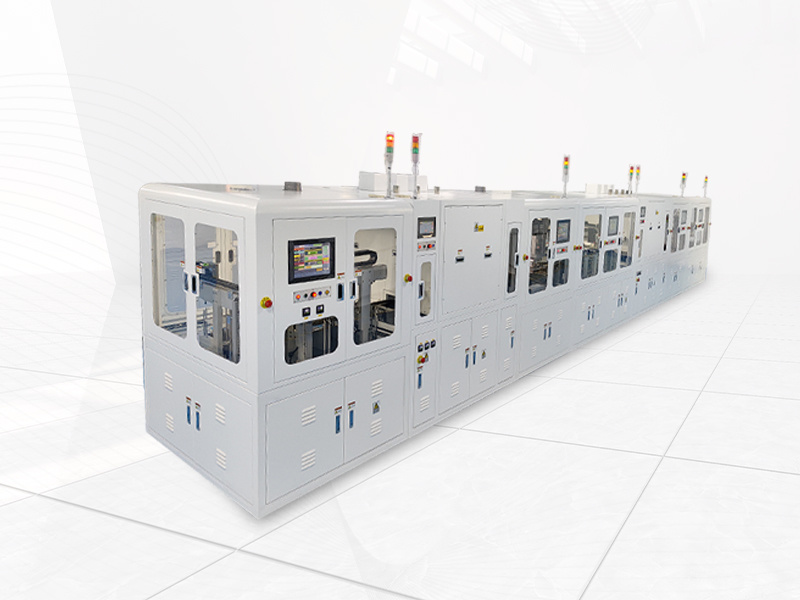
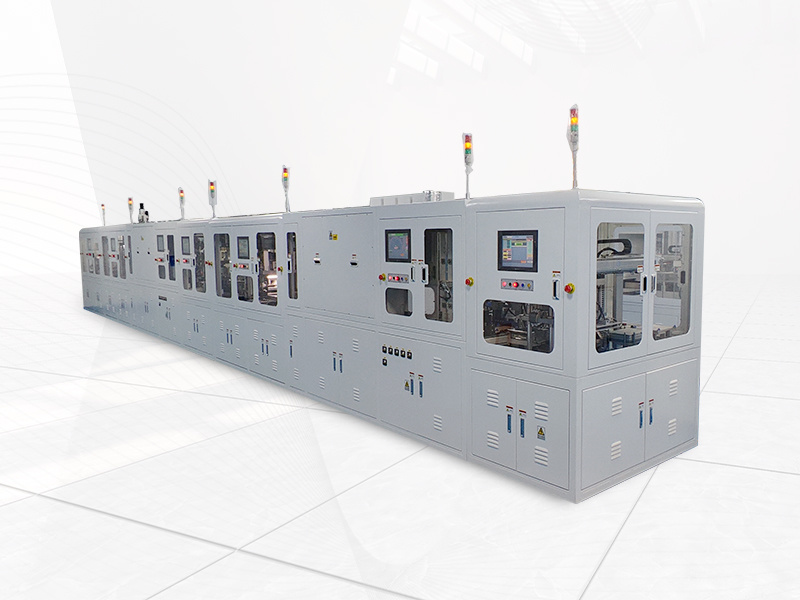
In the realm of manufacturing, a dipping machine is a specialized piece of equipment designed for the process of immersing a product into a liquid solution, typically for the purpose of coating, painting, or applying a protective layer. The versatility of dipping machines makes them indispensable in various sectors, including automotive, electronics, and textiles.
One of the primary applications of dipping machines is in the coating process, where products are submerged in paint or other protective coatings. This method ensures an even application, reducing the likelihood of drips or uneven surfaces that can occur with manual spraying or brushing techniques. By automating this process, manufacturers can achieve a uniform finish and enhance the overall quality of their products.
Additionally, dipping machines can be configured to handle a wide range of materials. Whether working with metals, plastics, or ceramics, these machines can adapt to various shapes and sizes, making them suitable for a broad spectrum of manufacturing needs. This adaptability is particularly beneficial in industries where precision and consistency are paramount, such as in the production of electronic components or medical devices.
Another significant advantage of dipping machines is their efficiency. By streamlining the coating process, these machines can significantly reduce production time. Manufacturers can achieve higher throughput levels, which is essential in today’s fast-paced market. Furthermore, many modern dipping machines incorporate advanced technologies, such as automated handling and integrated drying systems, further improving operational efficiency.
The environmental impact of manufacturing processes is another consideration, and dipping machines can contribute positively in this area. By optimizing the use of coatings and minimizing waste, manufacturers can reduce their ecological footprint. Some dipping machines are designed to recycle unused liquid coatings, ensuring that resources are utilized effectively while lowering operational costs.
In summary, dipping machines are vital assets in the manufacturing industry, providing efficient, precise, and adaptable solutions for a variety of coating applications. Their ability to enhance production quality and efficiency makes them a preferred choice for many manufacturers. As industries continue to evolve, the innovation in dipping machine technology is likely to advance, further solidifying their role in modern manufacturing processes. By investing in these machines, manufacturers can ensure they remain competitive while also addressing sustainability concerns.
One of the primary applications of dipping machines is in the coating process, where products are submerged in paint or other protective coatings. This method ensures an even application, reducing the likelihood of drips or uneven surfaces that can occur with manual spraying or brushing techniques. By automating this process, manufacturers can achieve a uniform finish and enhance the overall quality of their products.
Additionally, dipping machines can be configured to handle a wide range of materials. Whether working with metals, plastics, or ceramics, these machines can adapt to various shapes and sizes, making them suitable for a broad spectrum of manufacturing needs. This adaptability is particularly beneficial in industries where precision and consistency are paramount, such as in the production of electronic components or medical devices.
Another significant advantage of dipping machines is their efficiency. By streamlining the coating process, these machines can significantly reduce production time. Manufacturers can achieve higher throughput levels, which is essential in today’s fast-paced market. Furthermore, many modern dipping machines incorporate advanced technologies, such as automated handling and integrated drying systems, further improving operational efficiency.
The environmental impact of manufacturing processes is another consideration, and dipping machines can contribute positively in this area. By optimizing the use of coatings and minimizing waste, manufacturers can reduce their ecological footprint. Some dipping machines are designed to recycle unused liquid coatings, ensuring that resources are utilized effectively while lowering operational costs.
In summary, dipping machines are vital assets in the manufacturing industry, providing efficient, precise, and adaptable solutions for a variety of coating applications. Their ability to enhance production quality and efficiency makes them a preferred choice for many manufacturers. As industries continue to evolve, the innovation in dipping machine technology is likely to advance, further solidifying their role in modern manufacturing processes. By investing in these machines, manufacturers can ensure they remain competitive while also addressing sustainability concerns.

Copyright ©2024 Guangdong Lixing Intelligent Equipment Co., Ltd.
| Business license | SEO