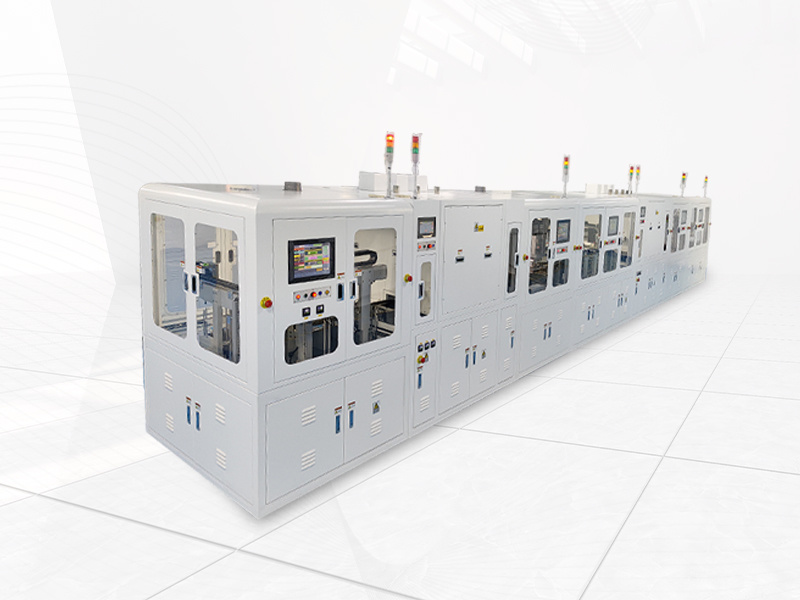
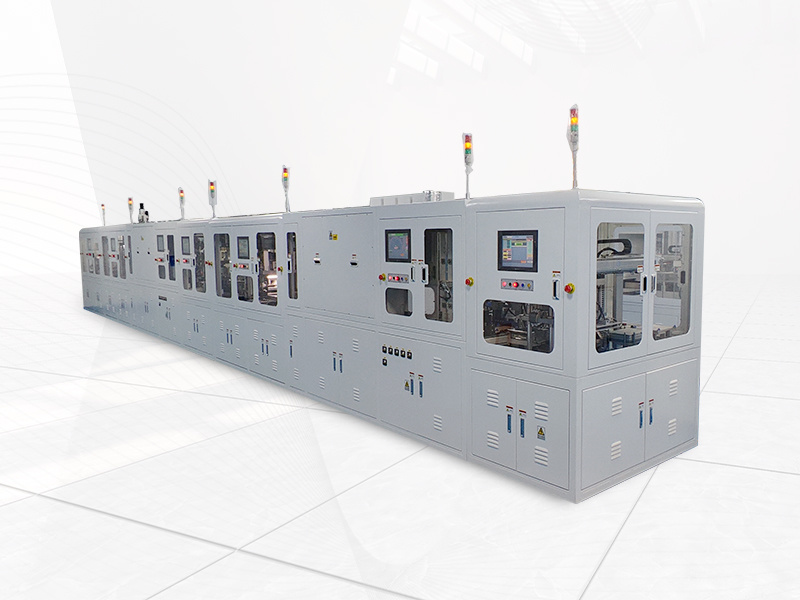
Unleashing Efficiency: How a Dipping Machine Transforms Manufacturing
Release time:
Oct 19,2024
Unleashing Efficiency: How a Dipping Machine Transforms Manufacturing
Manufacturing processes are constantly evolving, driven by the need for **efficiency**, **consistency**, and **quality**. One of the unsung heroes of this transformation is the **dipping machine**. This article explores how dipping machines are revolutionizing manufacturing, enhancing production capacity, and ensuring superior product quality across various industries.
Table of Contents
- 1. Introduction to Dipping Machines
- 2. How Dipping Machines Work
- 3. Applications of Dipping Machines in Manufacturing
- 4. Benefits of Using Dipping Machines
- 5. Common Types of Dipping Machines
- 6. Maintenance and Safety Considerations
- 7. The Future of Dipping Machines in Manufacturing
- 8. Conclusion
- 9. FAQs
1. Introduction to Dipping Machines
Dipping machines have become integral to various manufacturing processes. These machines allow for the **immersion of products in liquids**, enabling uniform coating, treatment, or finishing. From electronics to textiles, dipping machines enhance efficiency and consistency, ensuring that products meet stringent quality standards. As industries strive for **automated solutions** that minimize human error, the role of dipping machines has become increasingly vital.
2. How Dipping Machines Work
Dipping machines operate through a straightforward yet effective mechanism. **Products** are conveyed to a dipping station where they are submerged in a liquid solution, which can range from paint to chemical treatments. The duration of immersion and the type of liquid used can be adjusted based on the specific requirements of the product being treated.
The process typically involves the following steps:
Step 1: Preparation
Before the dipping process begins, surfaces must be cleaned and prepared to ensure optimal adhesion of the coating or treatment.
Step 2: Dipping
The items are dipped into the liquid solution, allowing for even coverage. Advanced machines enable controlled speed and depth of immersion to conform to diverse manufacturing needs.
Step 3: Draining and Drying
After dipping, excess liquid drains off before the products are subjected to a drying process. This step is crucial for achieving the desired finish and ensuring durability.
3. Applications of Dipping Machines in Manufacturing
Dipping machines find applications across various sectors, each benefiting from the efficiency they bring to the manufacturing process. Here are some notable examples:
3.1 Electronics
In the electronics industry, dipping machines are used to apply conformal coatings that protect circuit boards from moisture and corrosion. This enhances the longevity and reliability of electronic devices.
3.2 Metal Finishing
Metal components undergo dipping processes for coatings like galvanizing and powder coating, which provide protection against rust and wear while enhancing aesthetics.
3.3 Textile Industry
Dipping machines are employed in textiles for dyeing and finishing fabrics, ensuring even color distribution and improved fabric properties.
3.4 Food Processing
In the food industry, dipping machines facilitate coating processes for various products, such as snacks and confectionaries, enhancing flavor and presentation.
3.5 Medical Devices
Dipping machines are also utilized in the manufacturing of medical devices, applying biocompatible coatings that ensure patient safety and product efficacy.
4. Benefits of Using Dipping Machines
The adoption of dipping machines presents numerous advantages, making them an essential tool in modern manufacturing. Some of these benefits include:
4.1 Increased Efficiency
Dipping machines significantly reduce the time taken for coating processes. Their automation enables faster production cycles and increased output without compromising quality.
4.2 Consistent Quality
Uniform application of coatings ensures a consistent finish across products, minimizing defects and enhancing overall quality.
4.3 Reduced Waste
By optimizing the dipping process, manufacturers can reduce material waste, ensuring that resources are utilized effectively.
4.4 Versatility
Dipping machines can be tailored to accommodate various liquids and product types, making them adaptable to diverse manufacturing needs.
4.5 Improved Safety
Automation reduces the need for manual handling of hazardous materials, enhancing workplace safety and compliance with health regulations.
5. Common Types of Dipping Machines
Understanding the different types of dipping machines can help manufacturers choose the right equipment for their needs. Here are some common varieties:
5.1 Batch Dipping Machines
Designed for small-scale production, batch dipping machines process items in groups, making them ideal for artisanal or specialized manufacturing.
5.2 Continuous Dipping Machines
These machines are suited for high-volume production, allowing for a continuous flow of items through the dipping process, maximizing efficiency.
5.3 Automated Dipping Systems
Incorporating advanced robotics, these systems provide high precision and control, minimizing human intervention and enhancing consistency.
5.4 Customizable Dipping Machines
Manufacturers can opt for customizable machines that can be adjusted to meet specific dipping requirements, including liquid viscosity and drying times.
6. Maintenance and Safety Considerations
Regular maintenance of dipping machines is crucial for ensuring optimal performance and longevity. Here are important considerations:
6.1 Routine Inspections
Conducting routine inspections of machine components helps identify wear and tear, allowing for timely repairs.
6.2 Cleaning Protocols
Implementing proper cleaning protocols prevents contamination of dipping solutions and ensures product integrity.
6.3 Safety Training
Workers operating dipping machines should receive adequate safety training to handle chemicals and machinery safely.
6.4 Emergency Procedures
Establishing clear emergency procedures ensures that workers are prepared to respond effectively in case of accidents.
7. The Future of Dipping Machines in Manufacturing
The future of dipping machines looks promising as technology continues to evolve. Innovations such as **smart sensors**, **AI integration**, and **environmentally friendly materials** are set to enhance their capabilities. These advancements will not only improve operational efficiency but also align with sustainability goals, reducing the environmental impact of manufacturing processes.
8. Conclusion
Dipping machines are redefining manufacturing by providing efficient, consistent, and high-quality solutions across various industries. Their ability to streamline processes and adapt to different product requirements makes them indispensable in today’s competitive landscape. As technology advances, these machines will continue to play a pivotal role in shaping the future of manufacturing, offering endless possibilities for innovation and improvement.
9. FAQs
1. What is a dipping machine?
A dipping machine is a device used in manufacturing to immerse products in a liquid solution for coating or treatment purposes.
2. What industries use dipping machines?
Dipping machines are utilized in various industries, including electronics, textiles, metal finishing, food processing, and medical device manufacturing.
3. How do I choose the right dipping machine for my needs?
Consider factors such as production volume, type of products, and required coating specifications when selecting a dipping machine.
4. What maintenance is required for dipping machines?
Routine inspections, cleaning protocols, and regular servicing are essential for maintaining dipping machines.
5. Are there safety concerns with using dipping machines?
Yes, safety concerns include handling hazardous chemicals and operational risks. Proper training and safety protocols should be implemented.
This comprehensive exploration of dipping machines underscores their critical role in modern manufacturing, establishing them as essential tools for achieving operational excellence.

Copyright ©2024 Guangdong Lixing Intelligent Equipment Co., Ltd.
| Business license | SEO