Understanding Dipping Machines: Essential Equipment for Efficient Manufacturing Processes
Release time:
Oct 23,2024
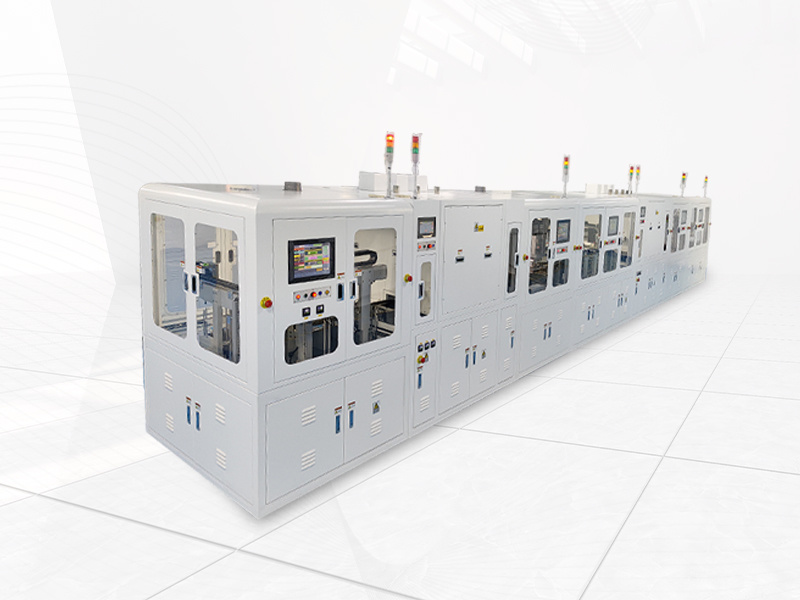
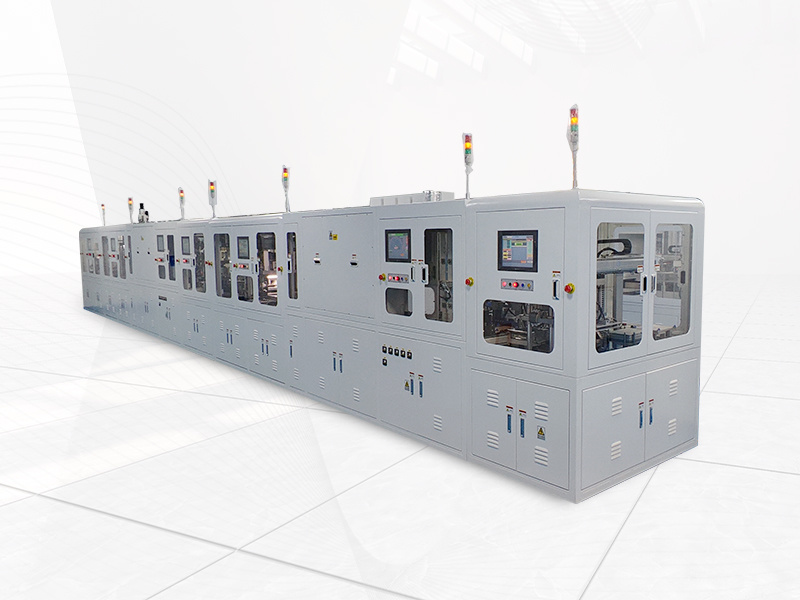
Dipping machines are specialized devices designed to immerse products into a solution for coating or treatment purposes. These machines are widely used in diverse industries, including automotive, electronics, textiles, and food processing. Their primary function is to apply a uniform layer of liquid, such as paint, varnish, or chemical solutions, to the surface of an object. This process enhances the product's durability, appearance, and overall performance.
One of the key advantages of using a dipping machine is the ability to achieve consistent and uniform coverage. Unlike manual application methods, which can lead to uneven coatings and wasted materials, dipping machines ensure that every part of the item is adequately treated. This uniformity not only improves the aesthetic appeal of the final product but also extends its lifespan by providing better protection against environmental factors.
In addition to providing a uniform coating, dipping machines can operate at various temperatures and speeds, allowing manufacturers to customize their processes based on specific product requirements. For example, in the electronics industry, dipping machines are often used for applying conformal coatings that protect circuit boards from moisture and dust. The ability to control the operating conditions helps in achieving optimal results tailored to different materials and desired finishes.
Moreover, dipping machines contribute significantly to the efficiency of manufacturing processes. By automating the coating application, they reduce labor costs and minimize the time required for completing production runs. This increased efficiency translates into higher output rates and better resource management, making it easier for manufacturers to meet demand without compromising quality.
Another important aspect of dipping machines is their role in environmentally responsible practices. Many modern machines are designed to minimize waste and recycle excess materials, such as coatings or treatments. This not only lowers operational costs but also supports sustainability initiatives by reducing the environmental impact of manufacturing activities.
In summary, dipping machines serve as indispensable tools in the manufacturing sector, enhancing product quality, consistency, and efficiency. Their ability to provide uniform coatings, adapt to various processes, and promote environmentally friendly practices makes them a critical component in many industries. As technology advances, the capabilities of dipping machines are likely to expand, further solidifying their position as essential equipment in the evolving landscape of manufacturing.
One of the key advantages of using a dipping machine is the ability to achieve consistent and uniform coverage. Unlike manual application methods, which can lead to uneven coatings and wasted materials, dipping machines ensure that every part of the item is adequately treated. This uniformity not only improves the aesthetic appeal of the final product but also extends its lifespan by providing better protection against environmental factors.
In addition to providing a uniform coating, dipping machines can operate at various temperatures and speeds, allowing manufacturers to customize their processes based on specific product requirements. For example, in the electronics industry, dipping machines are often used for applying conformal coatings that protect circuit boards from moisture and dust. The ability to control the operating conditions helps in achieving optimal results tailored to different materials and desired finishes.
Moreover, dipping machines contribute significantly to the efficiency of manufacturing processes. By automating the coating application, they reduce labor costs and minimize the time required for completing production runs. This increased efficiency translates into higher output rates and better resource management, making it easier for manufacturers to meet demand without compromising quality.
Another important aspect of dipping machines is their role in environmentally responsible practices. Many modern machines are designed to minimize waste and recycle excess materials, such as coatings or treatments. This not only lowers operational costs but also supports sustainability initiatives by reducing the environmental impact of manufacturing activities.
In summary, dipping machines serve as indispensable tools in the manufacturing sector, enhancing product quality, consistency, and efficiency. Their ability to provide uniform coatings, adapt to various processes, and promote environmentally friendly practices makes them a critical component in many industries. As technology advances, the capabilities of dipping machines are likely to expand, further solidifying their position as essential equipment in the evolving landscape of manufacturing.

Copyright ©2024 Guangdong Lixing Intelligent Equipment Co., Ltd.
| Business license | SEO