Streamlining Production: The Role of Automatic Dipping Machines in Efficiency
Release time:
Nov 12,2024
Streamlining Production: The Role of Automatic Dipping Machines in Efficiency
Table of Contents
1. Introduction to Automatic Dipping Machines
2. How Automatic Dipping Machines Work
3. Key Benefits of Automatic Dipping Machines
3.1 Enhanced Production Efficiency
3.2 Consistency and Quality Control
3.3 Labor Cost Reduction
4. Industries Benefiting from Automatic Dipping Technology
4.1 Manufacturing and Assembly Lines
4.2 Automotive Industry
4.3 Electronics and Electricals
5. Maintenance Best Practices for Automatic Dipping Machines
6. Common Challenges and Solutions
7. The Future of Automatic Dipping Machines in Manufacturing
8. Frequently Asked Questions (FAQs)
9. Conclusion
1. Introduction to Automatic Dipping Machines
Automatic dipping machines have become a crucial component in modern manufacturing processes, serving to enhance production efficiency and product quality. These sophisticated machines automate the dipping process, which is prevalent in various industries for coating, plating, and other applications. By minimizing manual labor and human error, automatic dipping machines streamline operations, allowing companies to focus more on innovation and less on repetitive tasks.
2. How Automatic Dipping Machines Work
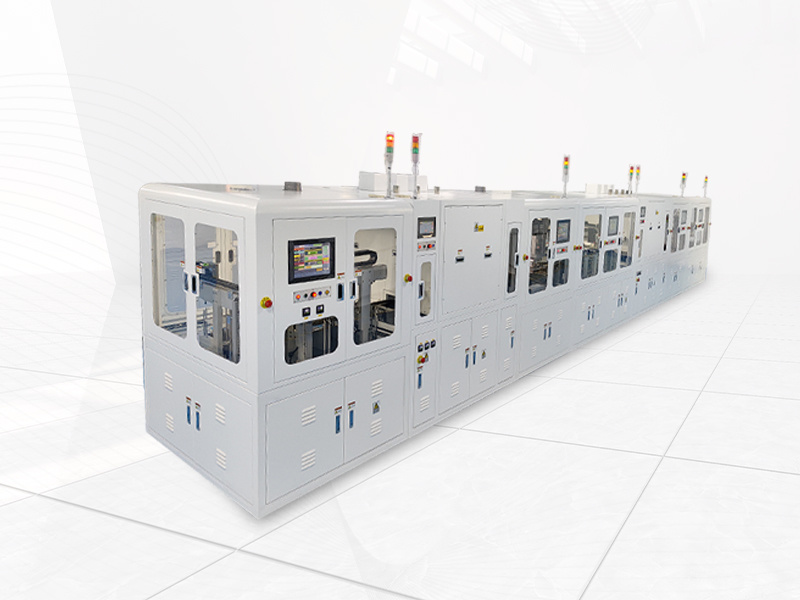
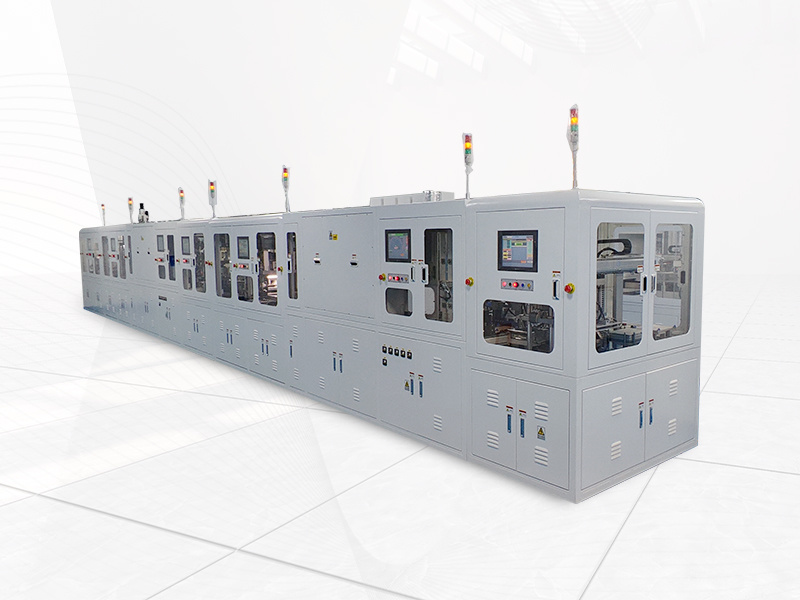
At the heart of automatic dipping machines lies a series of intricately designed components that work seamlessly to achieve high levels of efficiency. These machines typically include a dipping mechanism, heating elements, and a drying or curing system.
The process begins when items are fed into the machine, where they are automatically dipped into a liquid solution, such as paint, varnish, or metal plating. Sensors monitor the dipping time to ensure consistent application. After dipping, the items move through a drying chamber, where controlled temperatures expedite the curing process. This entire operation is managed by sophisticated software that optimizes the speed and precision of each step.
3. Key Benefits of Automatic Dipping Machines
The implementation of automatic dipping machines in production lines leads to numerous advantages, including:
3.1 Enhanced Production Efficiency
Automatic dipping machines significantly increase production rates. By eliminating the need for manual dipping, these machines can operate continuously with minimal downtime. This increased efficiency translates to higher output and faster turnaround times, allowing businesses to meet growing customer demands without sacrificing quality.
3.2 Consistency and Quality Control
One of the primary benefits of using automatic dipping machines is the consistency they offer in product quality. Unlike manual processes, which can vary greatly due to human error, automatic systems ensure uniform coating thickness and coverage. This level of precision not only enhances product quality but also reduces waste, as fewer items need to be reworked or discarded.
3.3 Labor Cost Reduction
Automation inherently reduces labor costs. By replacing manual labor with machines, companies can allocate their workforce to more strategic tasks that require human intelligence and creativity. Additionally, the reduced likelihood of accidents and injuries in the workplace can lead to lower insurance premiums and higher employee satisfaction.
4. Industries Benefiting from Automatic Dipping Technology
Several industries have embraced automatic dipping machines to enhance their production processes:
4.1 Manufacturing and Assembly Lines
In the manufacturing sector, automatic dipping machines are essential for high-volume production environments. They are frequently used for coating components in various products, ensuring that every piece meets stringent quality standards.
4.2 Automotive Industry
The automotive industry benefits significantly from automatic dipping machines, particularly for applying protective coatings and finishes to car parts. This technology enables manufacturers to produce vehicles with a longer lifespan and enhanced aesthetic appeal.
4.3 Electronics and Electricals
In the electronics sector, automatic dipping machines are used for coating circuit boards and components to enhance durability and resistance to environmental factors. This ensures that electronic devices function reliably in various conditions.
5. Maintenance Best Practices for Automatic Dipping Machines
To ensure longevity and optimal performance of automatic dipping machines, regular maintenance is essential. Key practices include:
- Regularly inspecting and cleaning dipping tanks to prevent contamination.
- Checking and calibrating sensors for accurate operation.
- Performing routine checks on heating elements to ensure they are functioning correctly.
- Scheduling preventive maintenance to address issues before they disrupt production.
6. Common Challenges and Solutions
While automatic dipping machines offer numerous benefits, they are not without challenges. Common issues include:
- **Clogging**: Ensuring proper filtration systems can help prevent material buildup.
- **Temperature Control**: Regularly monitoring and adjusting temperatures maintains optimal conditions.
- **Downtime**: Implementing a robust maintenance schedule minimizes unplanned outages.
7. The Future of Automatic Dipping Machines in Manufacturing
As technology continues to advance, the future of automatic dipping machines looks promising. Innovations such as smart sensors, AI, and IoT integration are set to revolutionize how these machines operate. Enhanced data analytics will provide real-time insights, enabling manufacturers to optimize processes and predict maintenance needs proactively.
8. Frequently Asked Questions (FAQs)
1. What are automatic dipping machines used for?
Automatic dipping machines are primarily used for coating, plating, and finishing products in various manufacturing processes, ensuring uniformity and quality.
2. How do automatic dipping machines improve production efficiency?
By automating the dipping process, these machines reduce manual labor, increase output rates, and minimize the potential for human error.
3. What types of coatings can be applied using automatic dipping machines?
Automatic dipping machines can apply a variety of coatings, including paints, varnishes, metal plating, and protective finishes.
4. Are automatic dipping machines suitable for small-scale production?
Yes, automatic dipping machines can be adapted for both large-scale and small-scale productions, offering flexibility to manufacturers.
5. How can I ensure the quality of my products using automatic dipping machines?
Regular maintenance, calibration of sensors, and strict adherence to operational guidelines are crucial for maintaining product quality.
9. Conclusion
Automatic dipping machines play an essential role in modern manufacturing, offering a range of benefits that enhance production efficiency, product quality, and cost-effectiveness. As industries continue to evolve, the adoption of advanced technologies will further solidify the position of automatic dipping machines as indispensable tools in the manufacturing process. By understanding their operational mechanics and best practices, businesses can leverage these machines to achieve superior results in a competitive landscape.

Copyright ©2024 Guangdong Lixing Intelligent Equipment Co., Ltd.
| Business license | SEO