Understanding Dipping Machines: Essential Tools for Efficient Manufacturing
Release time:
Nov 16,2024
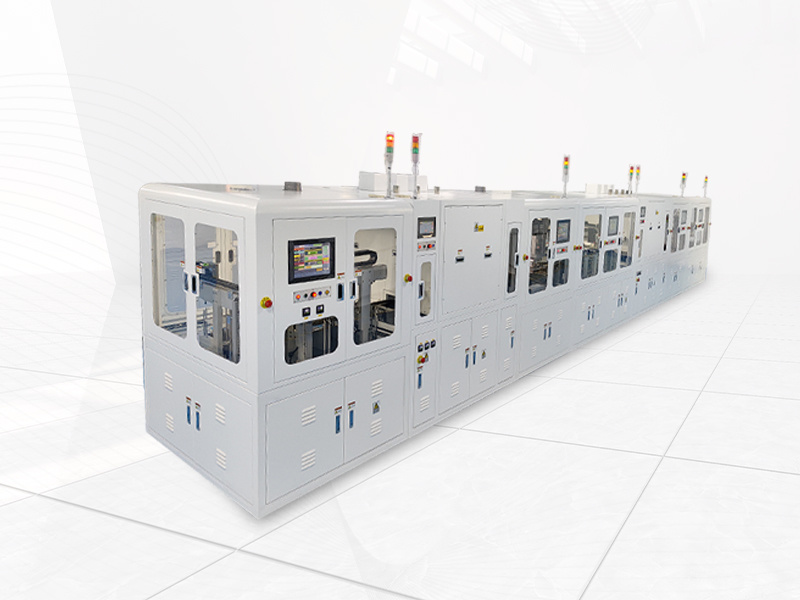
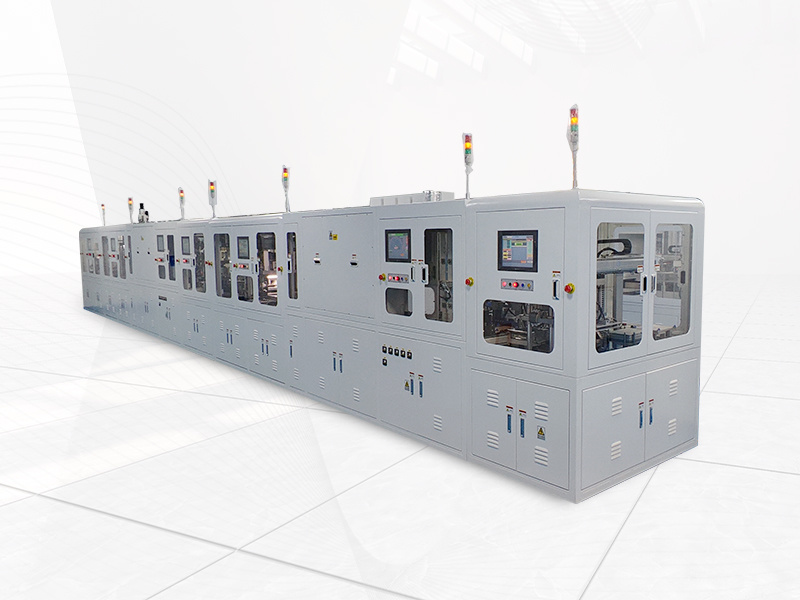
Dipping machines are specialized equipment designed to immerse products in a liquid medium for coating or finishing purposes. They are widely used in industries such as automotive, electronics, textiles, and food processing. The primary function of a dipping machine is to apply a uniform layer of liquid material, such as paint, varnish, or adhesive, onto the surface of a product. This process not only improves the aesthetic appeal of the items but also provides protection against environmental factors.
One of the significant advantages of using a dipping machine is the efficiency it offers in comparison to manual application methods. The automation of the dipping process leads to reduced labor costs, consistent quality, and minimized material waste. Dipping machines are designed to operate at a controlled speed, ensuring uniform coverage and optimal drying times, which are critical for achieving high-quality finishes.
There are several types of dipping machines available, each tailored to meet specific manufacturing needs. For instance, continuous dipping machines are ideal for high-volume production as they allow for the uninterrupted processing of multiple items. In contrast, batch dipping machines cater to smaller production runs and provide greater flexibility in terms of product variety.
In addition to coatings, dipping machines are also utilized for other applications, such as the impregnation of materials or the encapsulation of components. This versatility makes them indispensable in a wide range of manufacturing processes. When selecting a dipping machine, it is essential to consider factors such as the type of material to be dipped, the desired thickness of the coating, and the production volume.
Another key aspect to consider is the maintenance and cleaning of dipping machines. Regular maintenance is crucial to ensure optimal performance and longevity. This involves cleaning the tanks and components to prevent contamination and buildup of residues that could affect product quality.
In conclusion, dipping machines are vital tools that enhance manufacturing efficiency and product quality across various industries. By understanding their operational principles, advantages, and applications, manufacturers can make informed decisions about integrating these machines into their production processes. Whether you are looking to improve your coating process or explore new applications, investing in a suitable dipping machine can significantly contribute to your manufacturing success.
One of the significant advantages of using a dipping machine is the efficiency it offers in comparison to manual application methods. The automation of the dipping process leads to reduced labor costs, consistent quality, and minimized material waste. Dipping machines are designed to operate at a controlled speed, ensuring uniform coverage and optimal drying times, which are critical for achieving high-quality finishes.
There are several types of dipping machines available, each tailored to meet specific manufacturing needs. For instance, continuous dipping machines are ideal for high-volume production as they allow for the uninterrupted processing of multiple items. In contrast, batch dipping machines cater to smaller production runs and provide greater flexibility in terms of product variety.
In addition to coatings, dipping machines are also utilized for other applications, such as the impregnation of materials or the encapsulation of components. This versatility makes them indispensable in a wide range of manufacturing processes. When selecting a dipping machine, it is essential to consider factors such as the type of material to be dipped, the desired thickness of the coating, and the production volume.
Another key aspect to consider is the maintenance and cleaning of dipping machines. Regular maintenance is crucial to ensure optimal performance and longevity. This involves cleaning the tanks and components to prevent contamination and buildup of residues that could affect product quality.
In conclusion, dipping machines are vital tools that enhance manufacturing efficiency and product quality across various industries. By understanding their operational principles, advantages, and applications, manufacturers can make informed decisions about integrating these machines into their production processes. Whether you are looking to improve your coating process or explore new applications, investing in a suitable dipping machine can significantly contribute to your manufacturing success.

Copyright ©2024 Guangdong Lixing Intelligent Equipment Co., Ltd.
| Business license | SEO